BPC-157 Complete Guide: Benefits, Dosage, Side Effects

What Is BPC-157?
BPC-157 (Body Protection Compound-157) is a synthetic peptide consisting of 15 amino acids. It is derived from a protective protein found naturally in human gastric juice. The sequence (Gly-Glu-Pro-Pro-Pro-Gly-Lys-Pro-Ala-Asp-Asp-Ala-Gly-Leu-Val) has been extensively studied in animal models since the 1990s, primarily for its effects on tissue repair, wound healing, and gastrointestinal protection.
Unlike many peptides that degrade rapidly in the stomach, BPC-157 is remarkably stable in gastric acid. This stability is part of what makes it unique among therapeutic peptides and has led researchers to investigate both injectable and oral routes of administration.
How BPC-157 Works: Mechanism of Action
BPC-157 exerts its effects through multiple pathways. Research has identified several key mechanisms:
- Angiogenesis promotion -- BPC-157 stimulates the formation of new blood vessels, which is critical for delivering oxygen and nutrients to damaged tissue. Studies show it upregulates vascular endothelial growth factor (VEGF) expression.
- Nitric oxide modulation -- The peptide interacts with the nitric oxide (NO) system, which plays a central role in blood flow regulation, inflammation, and tissue repair signaling.
- Growth factor upregulation -- BPC-157 has been shown to increase expression of growth hormone receptors and enhance the effects of growth factors involved in tendon, ligament, and muscle repair.
- Anti-inflammatory activity -- Animal studies demonstrate reduced levels of pro-inflammatory cytokines in treated tissues, contributing to faster resolution of inflammation.
- Collagen formation -- Research shows BPC-157 promotes fibroblast activity and organized collagen deposition, which is essential for strong, functional tissue repair rather than disorganized scar tissue.
BPC-157 Research: What the Studies Show
The body of research on BPC-157 is extensive, with over 100 published studies. However, it is important to note that the vast majority of this research has been conducted in animal models (rats, mice, and rabbits). Human clinical trials remain limited.
Tendon and Ligament Healing
One of the most studied applications of BPC-157 is tendon repair. A landmark study published in the Journal of Orthopaedic Research demonstrated that BPC-157 significantly accelerated the healing of transected Achilles tendons in rats compared to controls. The treated tendons showed better biomechanical properties, including higher tensile strength and more organized collagen fibers.
Muscle Injury Recovery
Studies on crushed muscle injuries in rats show that BPC-157 accelerates functional recovery. The treated animals regained muscle strength faster and showed less fibrosis (scar tissue) at the injury site. This has particular relevance for sports injuries and post-surgical recovery.
Gut Healing and Protection
Given its origin in gastric juice, BPC-157 has been extensively studied for gastrointestinal applications. Research shows it can protect against and heal various forms of gut damage, including NSAID-induced ulcers, inflammatory bowel disease models, and surgical anastomosis leaks. The peptide appears to maintain the integrity of the gut mucosal barrier.
Bone Healing
Animal studies on bone fractures and segmental bone defects show that BPC-157 promotes osteoblast activity and accelerates bone formation at fracture sites. This effect appears to work synergistically with its angiogenic properties.
BPC-157 Dosage: Using the Peptide Calculator
The most commonly referenced BPC-157 dosing range in research literature translates to approximately 250-500 mcg per administration for a typical human-weight equivalent. Most protocols involve once or twice daily subcutaneous injections.
To calculate your exact syringe units, use the Peptide Calculator Plus BPC-157 calculator. Here is a typical example:
- Vial strength: 5 mg BPC-157
- Reconstitution volume: 2 mL bacteriostatic water
- Concentration: 2,500 mcg/mL (or 2.5 mg/mL)
- For a 250 mcg dose: draw 10 units on a U-100 insulin syringe
- For a 500 mcg dose: draw 20 units on a U-100 insulin syringe
How to Reconstitute BPC-157
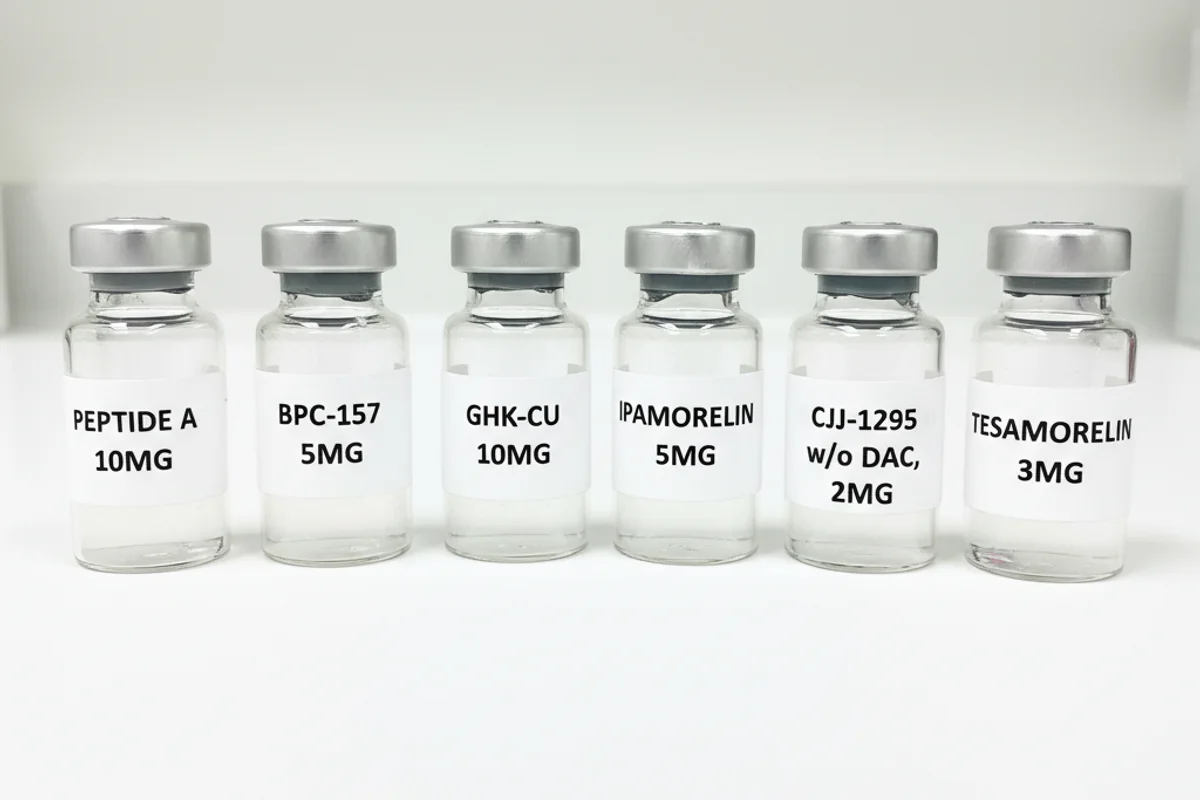
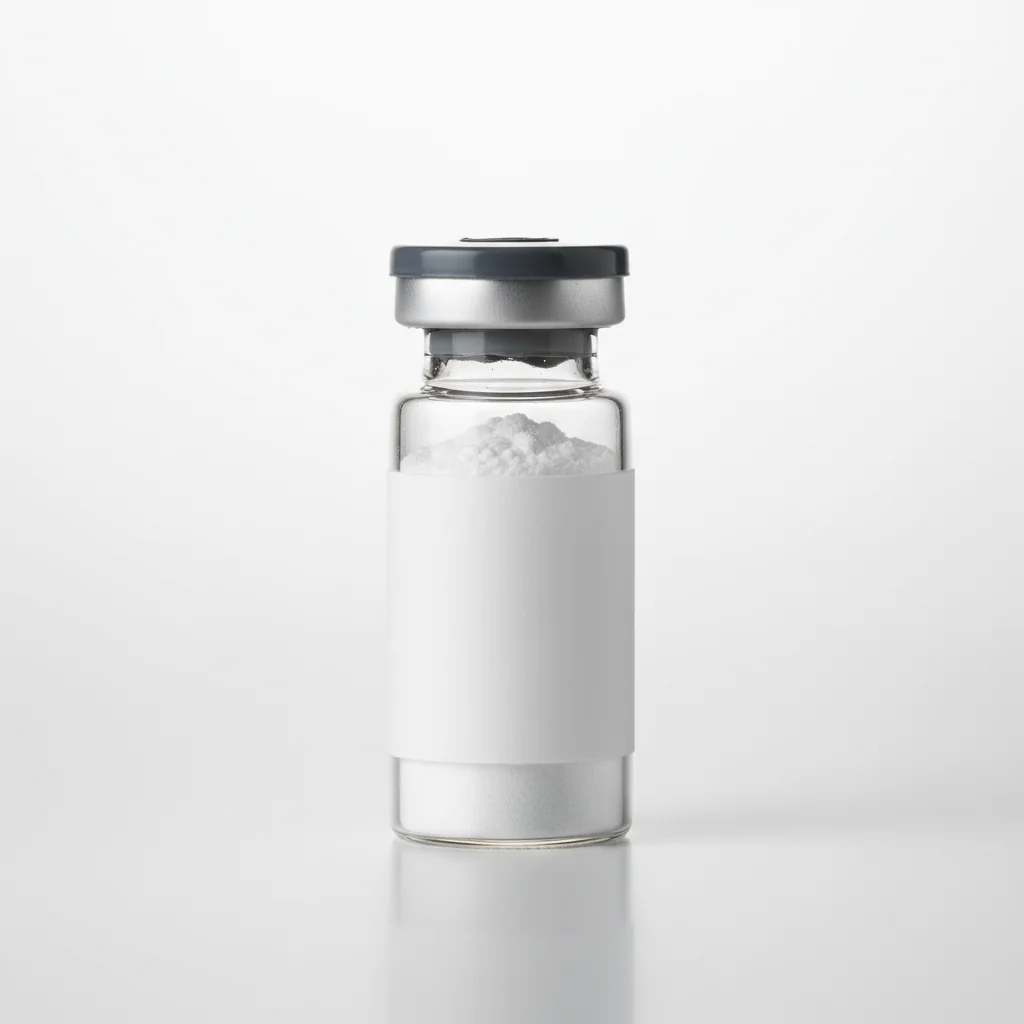
BPC-157 typically comes as a white lyophilized (freeze-dried) powder in a sealed vial. To reconstitute:
- Remove the protective cap from the vial and swab the rubber stopper with an alcohol wipe.
- Draw your desired amount of bacteriostatic water into a syringe (1-2 mL is standard for BPC-157).
- Insert the needle through the rubber stopper at a slight angle.
- Slowly release the water down the inside wall of the vial. Never spray directly onto the powder.
- Once all water is added, gently swirl the vial. Do not shake. BPC-157 typically dissolves within 30-60 seconds.
- The resulting solution should be clear. If it is cloudy or contains particles, do not use it.
BPC-157 Side Effects and Safety
BPC-157 has demonstrated an excellent safety profile in animal studies. Researchers have administered doses far exceeding typical use without observing organ toxicity, mutagenicity, or carcinogenicity. The LD50 (lethal dose) has not been established because researchers could not achieve lethal toxicity even at very high doses in animal models.
Commonly reported anecdotal side effects from user communities include:
- Mild injection site redness or irritation (most common, typically resolves quickly)
- Occasional nausea, especially with higher doses
- Mild dizziness in some individuals
- Fatigue during the first few days of use
Because BPC-157 promotes angiogenesis, there is a theoretical concern about its use in individuals with active cancers, as tumor growth depends on blood vessel formation. This has not been studied directly, but caution is warranted.
BPC-157 Stacking
BPC-157 is frequently combined with TB-500 (Thymosin Beta-4) in what is often called the "healing stack." The rationale is that BPC-157 and TB-500 work through complementary mechanisms -- BPC-157 promotes angiogenesis and collagen organization, while TB-500 promotes cell migration and reduces inflammation. Anecdotally, many users report faster recovery with the combination than with either peptide alone.
When stacking, the two peptides can be drawn into the same syringe for a single injection, though they should be stored in separate vials. Use the Peptide Calculator Plus to calculate the volume for each peptide separately, then draw sequentially into one syringe.
Key Takeaways
BPC-157 is one of the most researched healing peptides, with strong animal evidence for tissue repair, gut protection, and anti-inflammatory effects. While human clinical trials are still emerging, the existing data and safety profile make it a compelling subject for ongoing research. Always use a reliable peptide calculator to ensure accurate dosing, and consult a healthcare professional before beginning any peptide protocol.
Calculate Your Dose with Peptide Calculator Plus
Use the free peptide calculator to find exact syringe units, reconstitution volumes, and doses per vial.
Open Bpc 157 Calculator