Peptide Storage Guide
How to store peptides before and after reconstitution for maximum stability and potency. Proper storage is critical for maintaining peptide effectiveness and getting accurate results from your peptide calculator dosing.
Storage at a Glance
Lyophilized (Powder)
Best:Freezer (-20 C / -4 F) for long-term storage (2+ years)
Good:Refrigerator (2-8 C / 36-46 F) for months
Acceptable:Room temperature (15-25 C) for weeks to months
Avoid:Heat above 30 C, direct sunlight, humidity
Reconstituted (Liquid)
Required:Refrigerator (2-8 C / 36-46 F) -- no exceptions
Shelf life:14-30 days depending on peptide (with BAC water)
Never:Freeze, leave at room temp, expose to light
With sterile water:Use within 24 hours only
Temperature Guidelines
| Temperature Range | Lyophilized | Reconstituted |
|---|---|---|
| -20 C (-4 F) Freezer | Optimal for long-term (years) | NEVER freeze |
| 2-8 C (36-46 F) Fridge | Excellent (months) | Required storage |
| 15-25 C (59-77 F) Room | Acceptable (weeks) | Max 1-2 hours |
| 25-30 C (77-86 F) | Days to weeks | Degradation begins |
| >30 C (86 F) | Rapid degradation | Discard immediately |
Best Practices
-Label every vial with the peptide name, reconstitution date, concentration, and expiration date
-Store vials upright in a dedicated area of the refrigerator (not the door -- temperature fluctuates there)
-Wrap vials in aluminum foil or store in an opaque container to protect from light
-Never store reconstituted peptides for longer than the recommended stability period
-If shipping or traveling, use insulated containers with gel ice packs
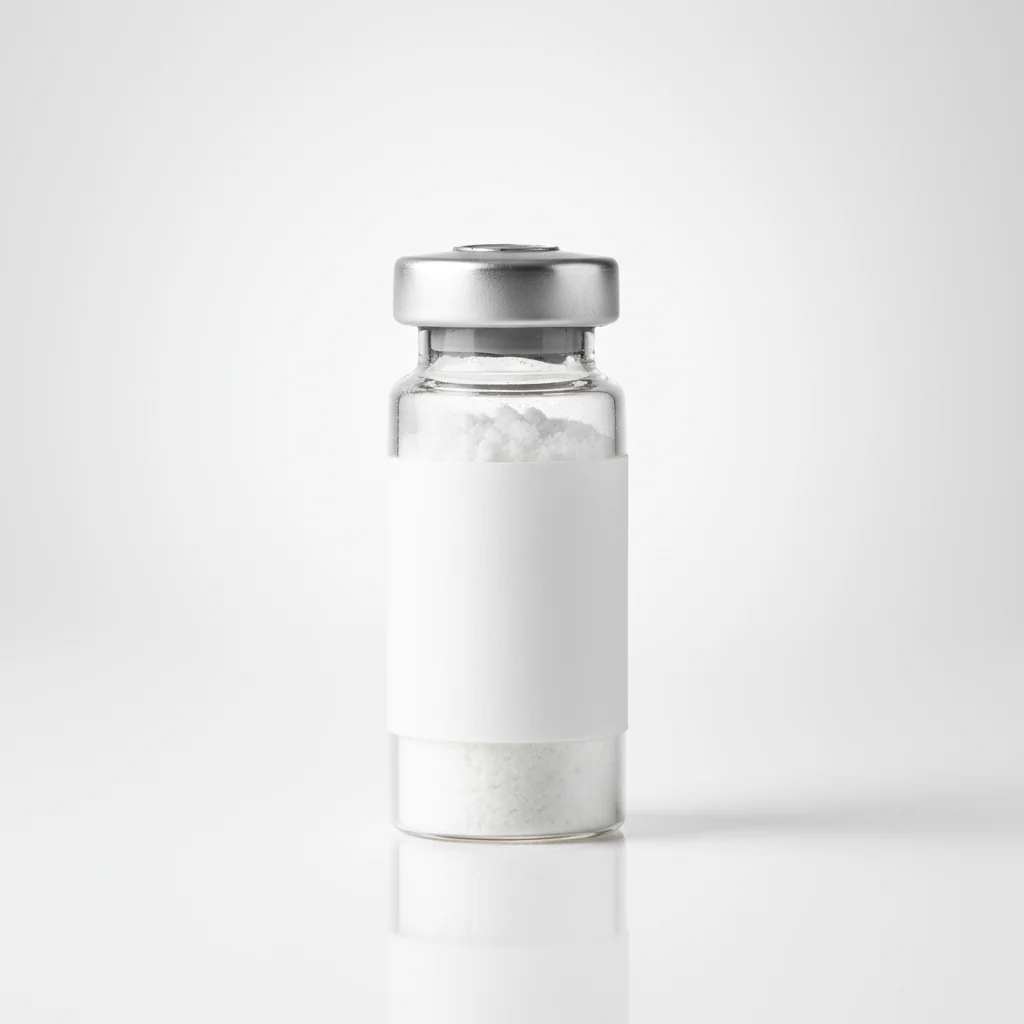
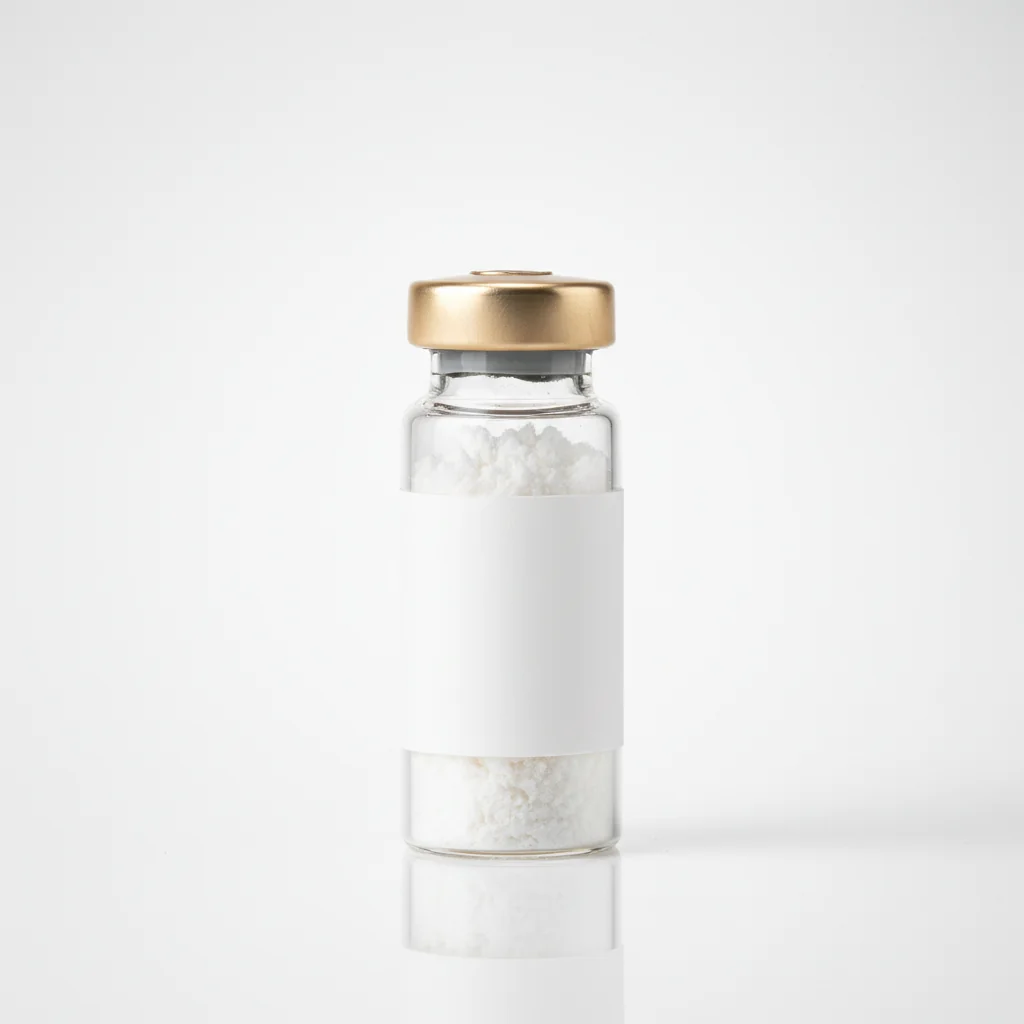
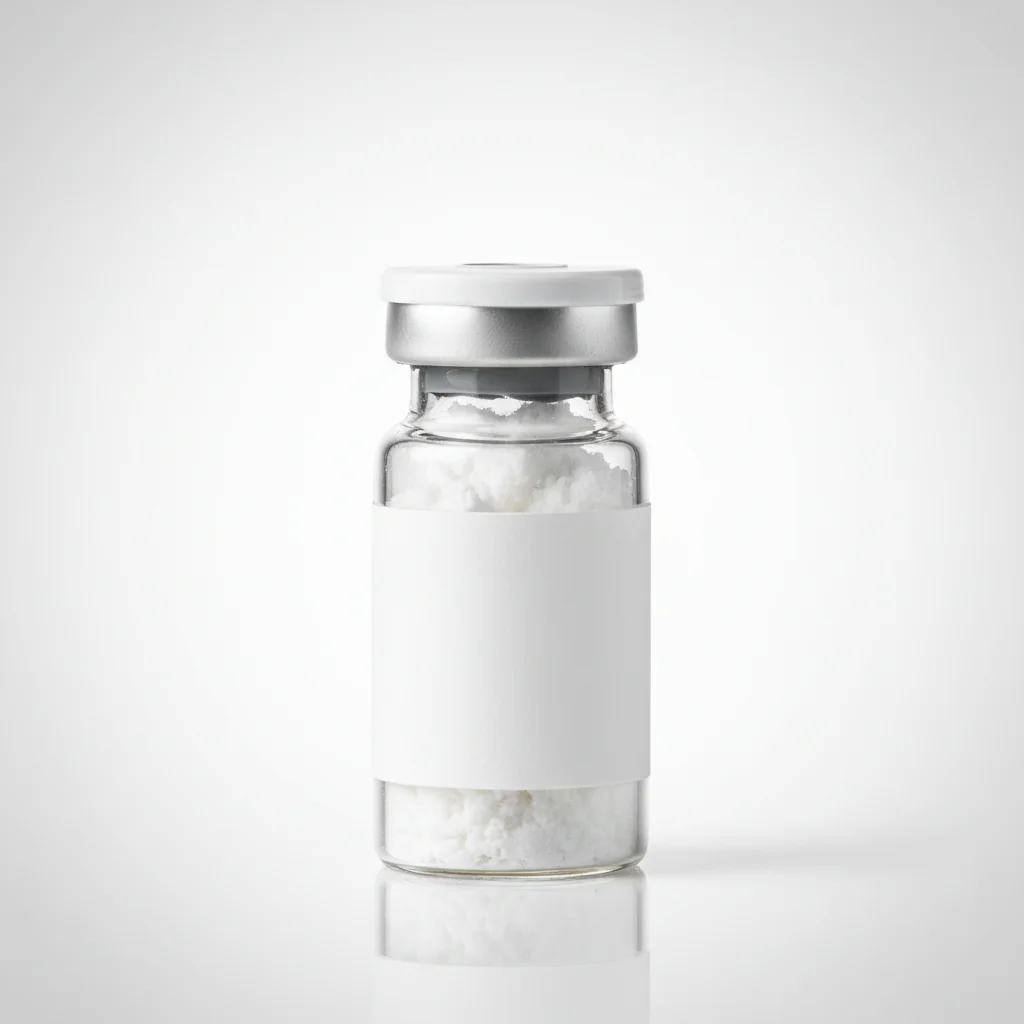
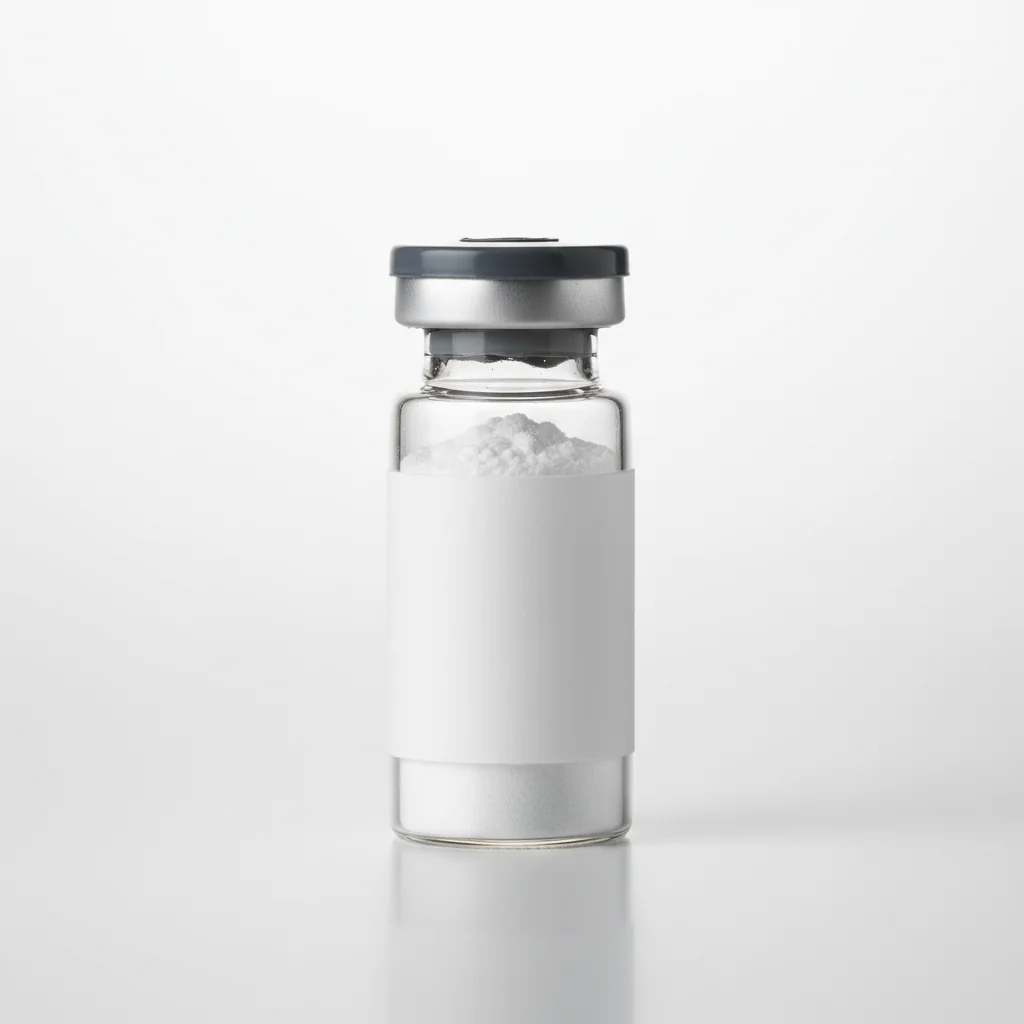
-Keep lyophilized peptides in their original sealed packaging until ready to reconstitute
-Use a dedicated refrigerator thermometer to verify temperature stays between 2-8 C
-Do not store peptides near the back wall of the refrigerator where freezing can occur
Frequently Asked Questions
No. Freezing reconstituted peptides causes the water to expand, which can physically damage the peptide molecules and crack the vial. Only lyophilized (dry powder) peptides should be stored in the freezer.
Most lyophilized peptides are stable at room temperature for several months. However, for maximum shelf life (often 2+ years), store them in the refrigerator or freezer. Heat accelerates degradation.
Yes. Many peptides are photosensitive and degrade when exposed to UV or bright light. Store vials in a dark location or wrap them in aluminum foil. This is especially important for reconstituted solutions.
Signs of degradation include: the solution becomes cloudy or develops particles, the powder changes color (especially yellowing), the powder fails to dissolve completely, or the vial was stored at incorrect temperatures.
Yes, but maintain cold chain. Use an insulated bag with ice packs (not dry ice for air travel). Keep the peptide upright to prevent leakage. The solution should not be out of refrigeration for more than a few hours.
Store upright whenever possible. This minimizes the surface area of solution in contact with the rubber stopper, reducing the chance of leaching or contamination.