Introduction
Peptide reconstitution is more than simply adding water to a powder. It is a pharmaceutical process governed by principles of protein chemistry, solubility, and stability. Understanding the science behind proper reconstitution is essential for maintaining peptide integrity and ensuring accurate dosing. This article examines the chemical principles that underpin peptide handling based on published pharmaceutical research.
Why Peptides Are Lyophilized
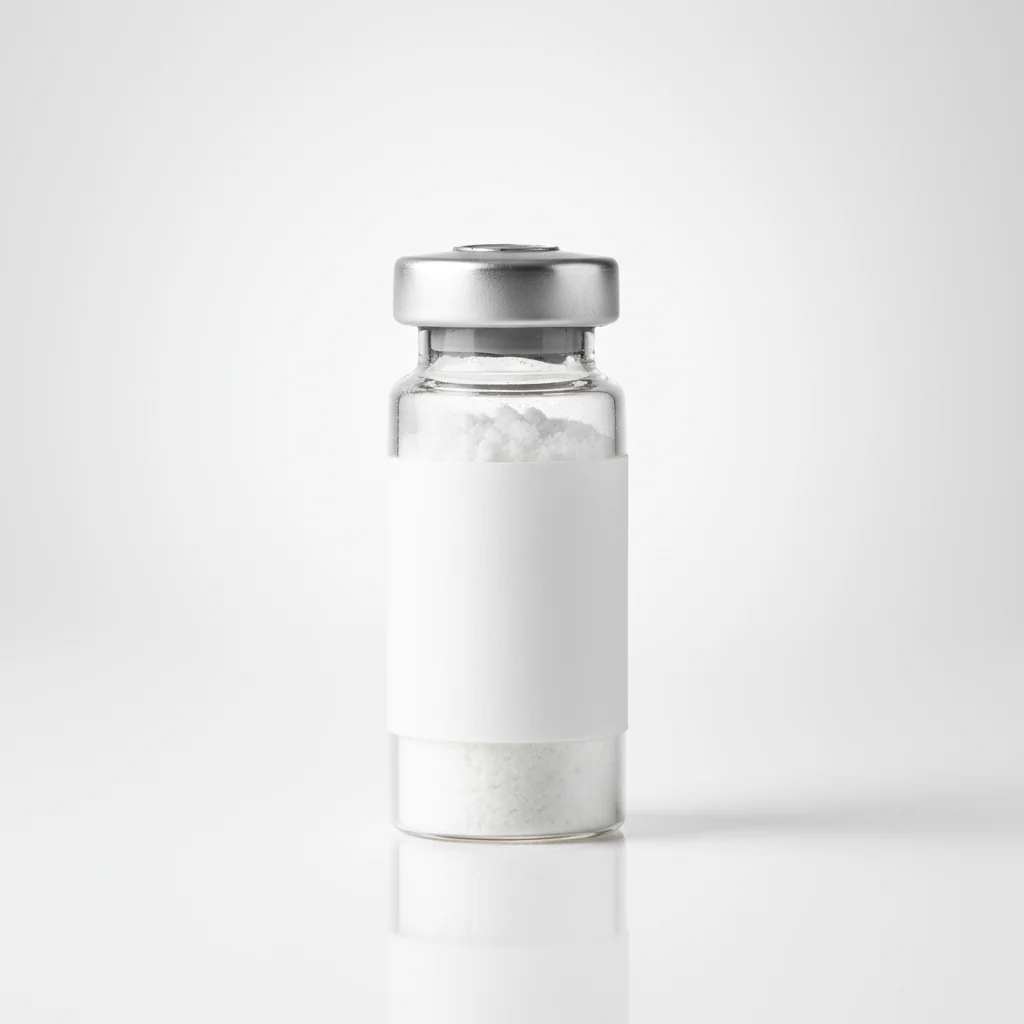
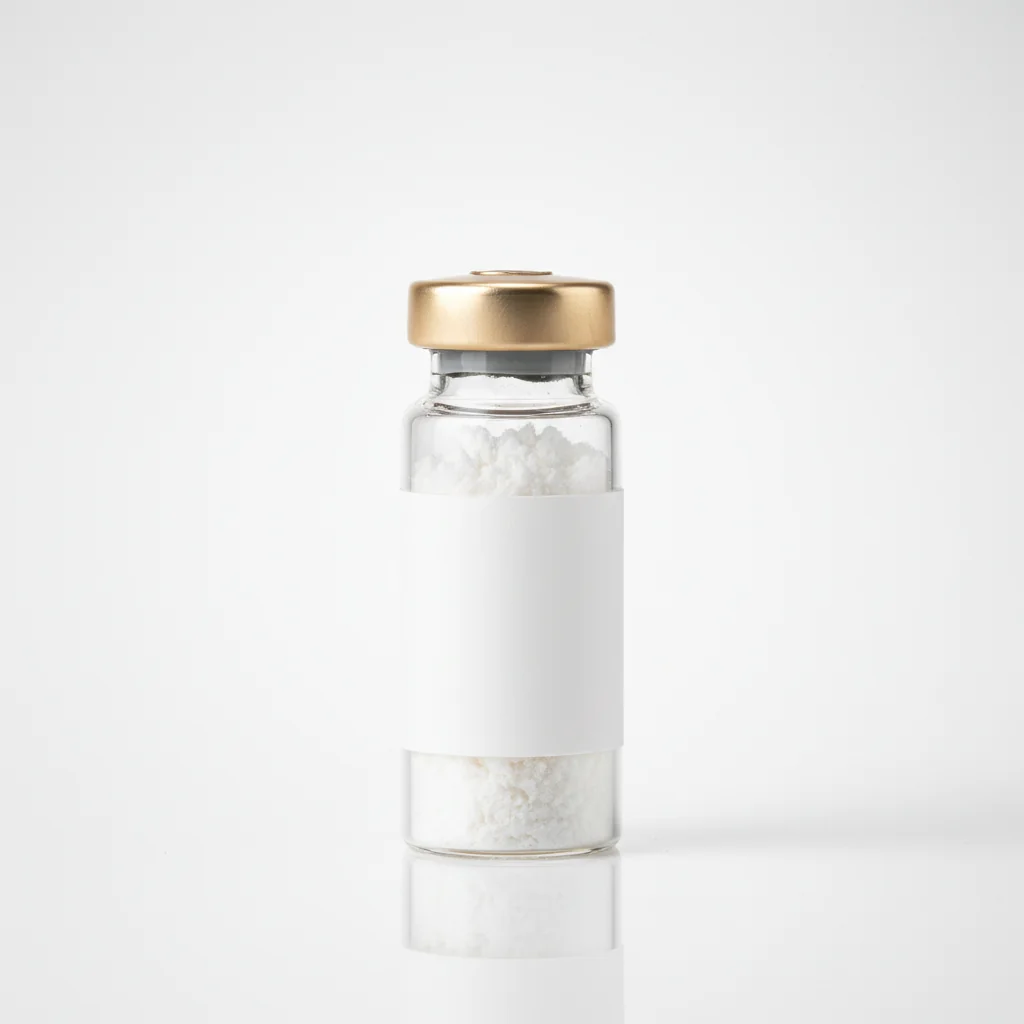
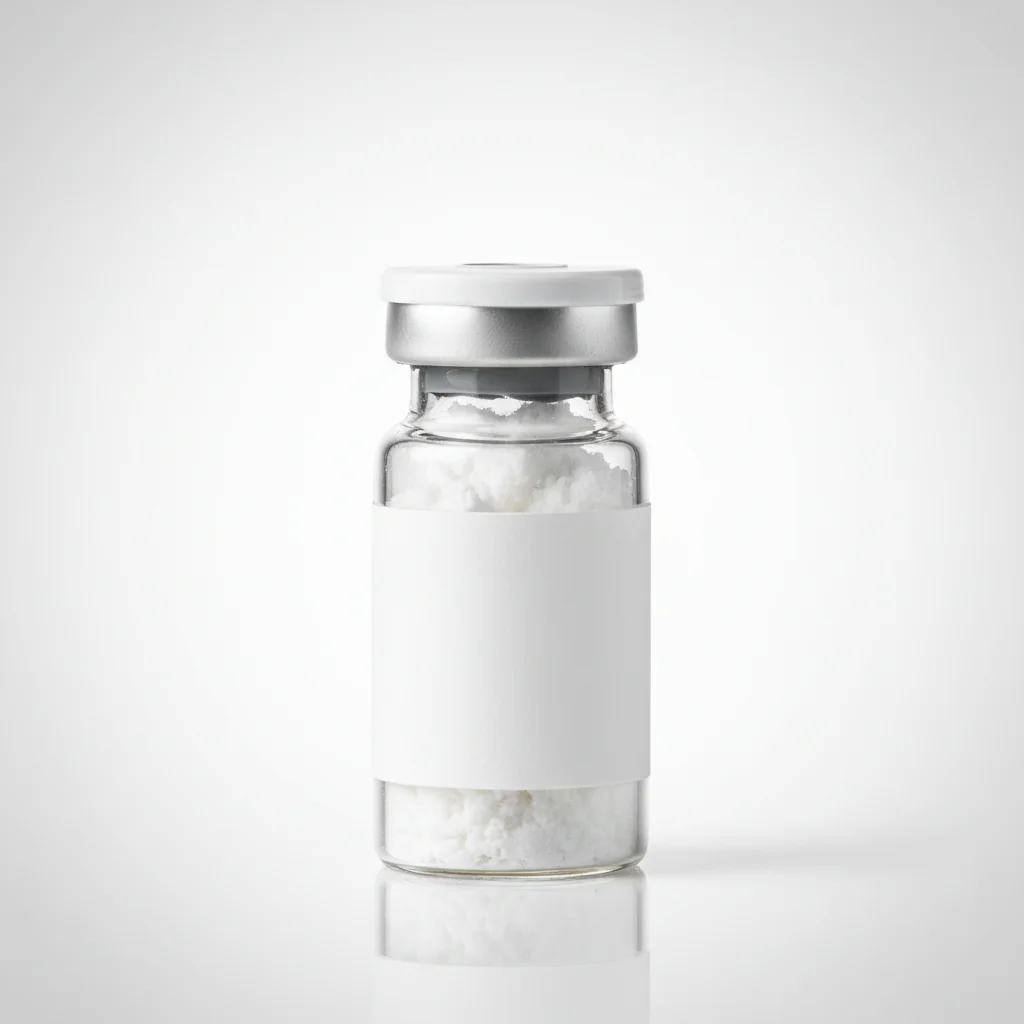
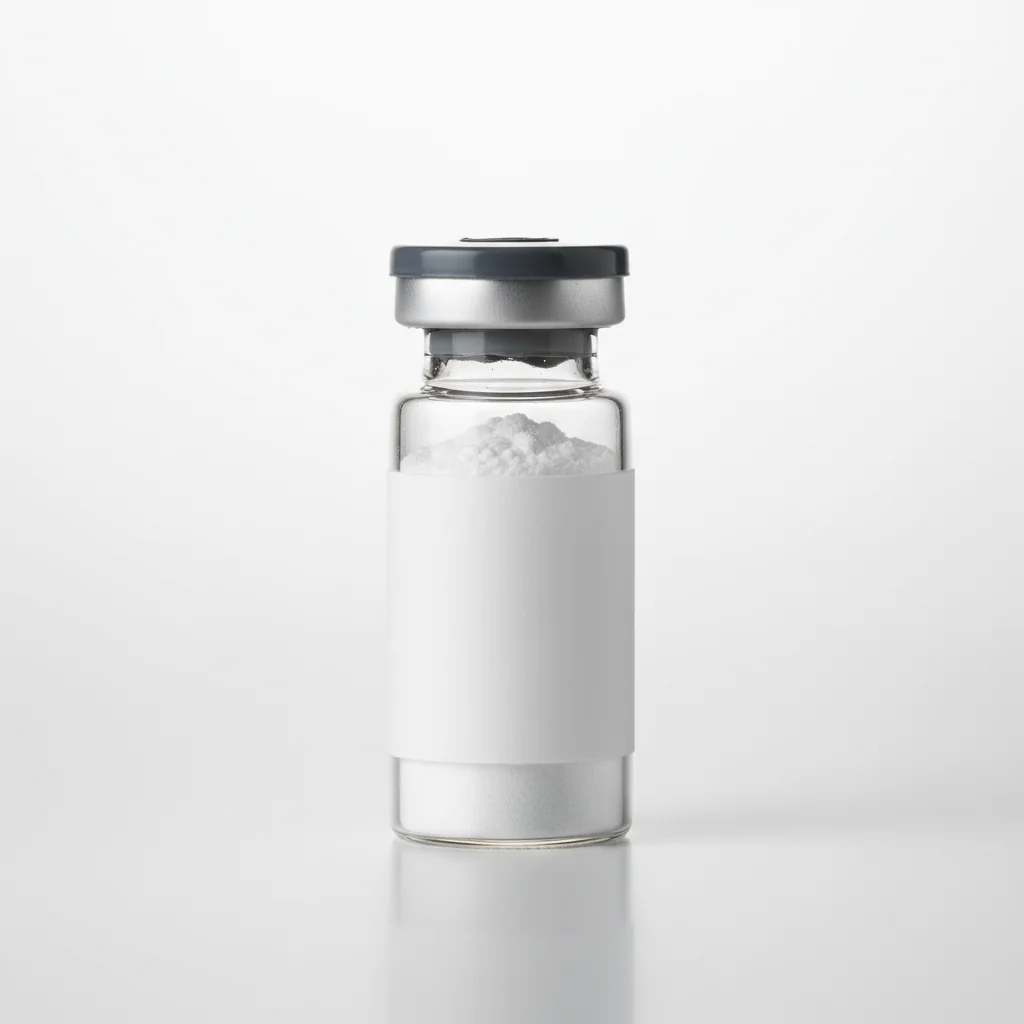
Peptides are shipped as lyophilized (freeze-dried) powders because they are significantly more stable in dry form than in solution. Lyophilization removes water by sublimation under vacuum, preserving the peptide's three-dimensional structure while creating a solid form that can be stored for extended periods. The process typically results in a light, fluffy "cake" or powder at the bottom of the vial.
As reviewed by Lorenzen and Nielsen (2023) in Pharmaceutics, peptide stability in aqueous solutions is a critical challenge in pharmaceutical formulation because potency is often compromised through both chemical and physical degradation pathways (PubMed: 36986796).
Degradation Pathways
Once reconstituted, peptides face several degradation mechanisms:
- Hydrolysis: Water molecules can cleave peptide bonds, particularly at asparagine and aspartate residues
- Oxidation: Methionine, cysteine, and tryptophan residues are susceptible to oxidative damage
- Deamidation: Asparagine residues can lose their amide group, altering the peptide's charge and structure
- Aggregation: Peptide molecules can clump together, reducing bioavailability
Zapadka et al. (2017) in Interface Focus provided a detailed analysis of factors affecting peptide aggregation in therapeutic formulations, identifying temperature, pH, concentration, and preservative exposure as key variables (PMC: 5665799).
Bacteriostatic Water Chemistry
Bacteriostatic water for injection (BWFI) is sterile water containing 0.9% benzyl alcohol as an antimicrobial preservative. The benzyl alcohol inhibits bacterial growth through disruption of microbial cell membranes, allowing the reconstituted solution to be used for multiple draws over several weeks.
A review of antimicrobial preservatives for peptide formulations published in Pharmaceutics (2023) noted that while preservatives like benzyl alcohol are necessary for multi-dose formulations, some preservatives can accelerate peptide destabilization and particle formation (PMC: 10217790). This creates a practical balance: the preservative extends usability by preventing microbial contamination while potentially shortening the chemical stability window.
The Reconstitution Process
Proper reconstitution technique directly affects peptide integrity:
- Allow the peptide vial to reach room temperature before reconstitution to avoid thermal shock
- Draw the calculated amount of bacteriostatic water into a sterile syringe
- Insert the needle through the rubber stopper and aim the stream of water down the inside wall of the vial -- never directly onto the lyophilized cake
- Allow the water to run gently over the powder, dissolving it gradually
- Swirl the vial gently to complete dissolution -- never shake vigorously
The reason for directing water down the vial wall rather than onto the powder is to prevent foaming, which introduces air-liquid interfaces where peptide aggregation is accelerated. Vigorous shaking creates similar interfaces and can mechanically denature the peptide.
Concentration and Volume
The amount of bacteriostatic water added determines the final concentration of the solution. The core calculation is: Concentration = Peptide Amount / Water Volume. For example, 5 mg of peptide reconstituted with 2 mL of BAC water yields a concentration of 2.5 mg/mL (2,500 mcg/mL).
Choosing the right volume is a balance between precision and convenience. Less water creates a more concentrated solution (smaller volumes per dose, easier to inject) but can increase aggregation risk. More water reduces concentration (larger injection volumes) but may improve stability.
Storage After Reconstitution
Reconstituted peptides must be refrigerated at 2-8 degrees C (36-46 degrees F). Temperature is the single most important factor affecting stability -- each 10-degree increase in temperature roughly doubles the rate of chemical degradation. Light exposure can also promote oxidative degradation, so storage in a dark location or the original box is recommended.
Most reconstituted peptides maintain stability for 14-30 days under proper refrigeration, though this varies by peptide. Reconstituted solutions should never be frozen, as the freeze-thaw cycle can cause aggregation and loss of activity.
Summary
Proper peptide reconstitution is grounded in pharmaceutical chemistry principles. Lyophilization preserves peptide integrity for storage, while bacteriostatic water provides both a solvent and antimicrobial protection. The key variables -- temperature, mixing technique, concentration, and storage conditions -- each affect the rate of chemical and physical degradation. Understanding these principles helps ensure that reconstituted peptides maintain their intended potency throughout their usable life.