Bacteriostatic Water vs Sterile Water: Which to Use
Understanding Your Reconstitution Water Options
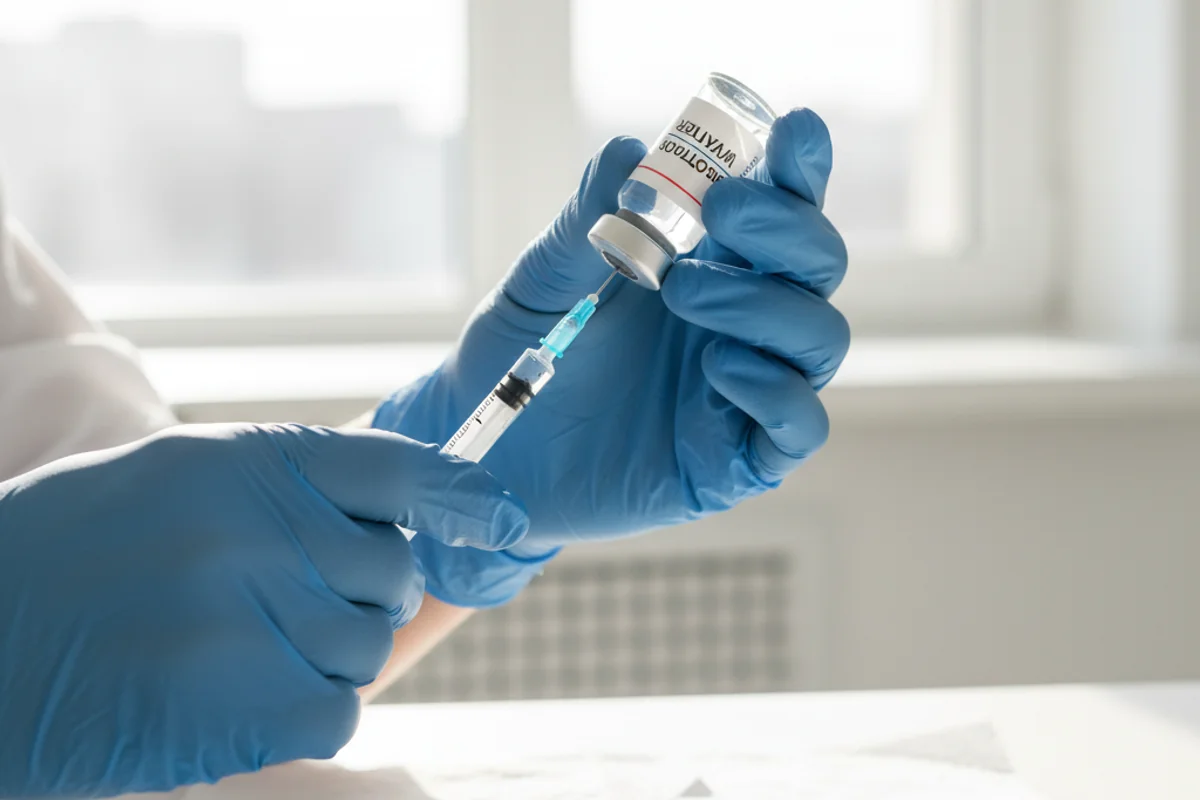
The liquid you use to reconstitute peptide powder matters. Using the wrong diluent can compromise peptide stability, introduce contamination risk, or in rare cases damage the peptide itself. This guide covers the two main options and when to use each.
Bacteriostatic Water (BAC Water)
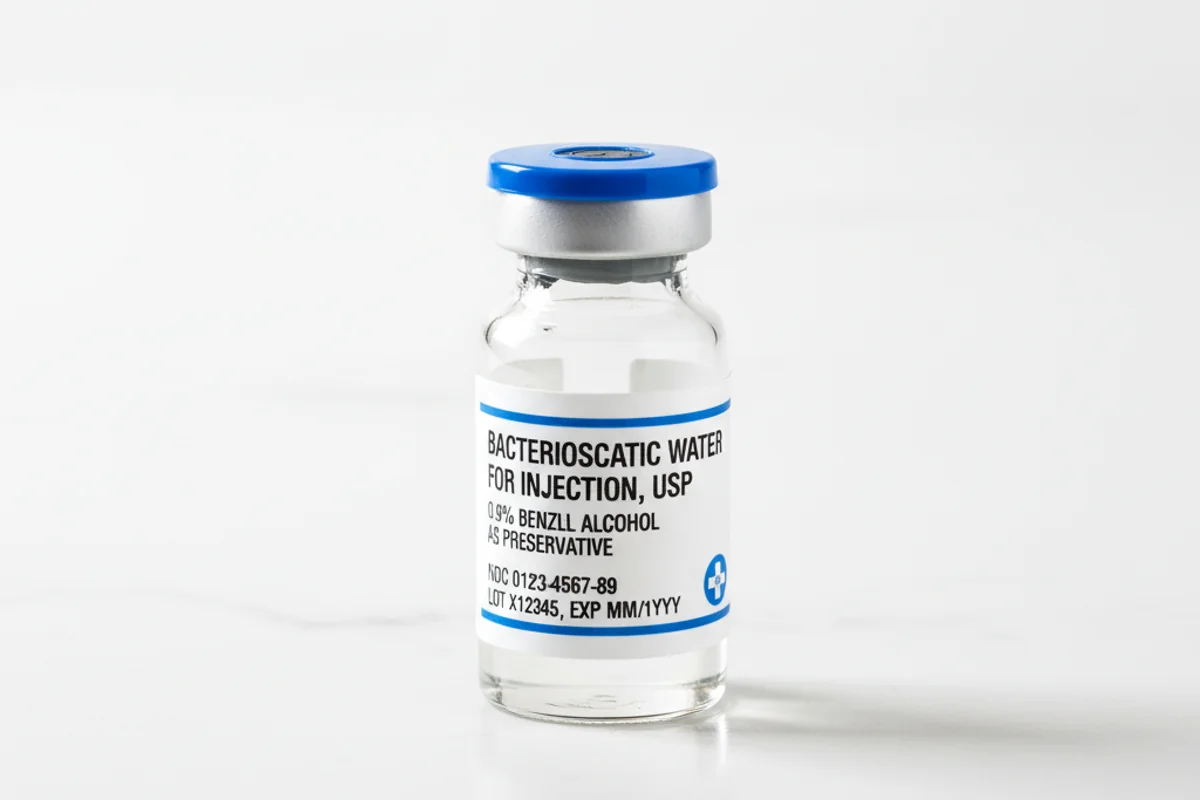
Bacteriostatic water is sterile water that has been supplemented with 0.9% benzyl alcohol. Benzyl alcohol is a mild antiseptic that prevents bacterial growth in the solution, making it safe for multi-dose use. When you reconstitute a peptide with BAC water, the benzyl alcohol continues to protect the solution from contamination each time you insert a needle to draw a dose.
Key Properties
- Contains 0.9% benzyl alcohol preservative
- Safe for multi-dose use over 28-30 days
- Available in 10 mL and 30 mL multi-dose vials
- USP grade, sterile manufactured
- Room temperature stable before opening
- Refrigerate after first puncture (not strictly required but best practice)
Sterile Water for Injection
Sterile water for injection (SWFI) is purified water that has been sterilized and contains no preservatives. It is intended for single-dose use only. Once a vial is opened or a needle is inserted, the absence of preservative means any bacteria introduced can multiply freely.
Key Properties
- No preservative
- Single-dose use only (use within 24 hours of opening)
- Available in single-dose ampoules and multi-dose vials
- USP grade, sterile manufactured
- Used primarily in hospital/clinical settings where solutions are prepared immediately before administration
Head-to-Head Comparison
| Feature | Bacteriostatic Water | Sterile Water |
|---|---|---|
| Preservative | 0.9% benzyl alcohol | None |
| Multi-dose use | Yes (up to 28-30 days) | No (24 hours max) |
| Peptide compatibility | Excellent for all common peptides | Good, but limited shelf life |
| Bacterial growth | Inhibited by preservative | Possible after opening |
| Cost per reconstitution | Lower (one vial serves many) | Higher (new vial each time) |
| Availability | Pharmacy, medical supply, online | Pharmacy, medical supply |
| Best for | All peptide reconstitution | Single-use preparations only |
When to Use Bacteriostatic Water
Use bacteriostatic water for virtually all peptide reconstitution. It is the standard diluent recommended by peptide suppliers and research protocols. The preservative ensures that each time you draw a dose from the reconstituted vial, you are not introducing bacteria that could contaminate the remaining solution.
When to Use Sterile Water
Sterile water is appropriate in limited situations: when the entire vial will be used in a single dose, when a specific protocol requires preservative-free diluent, in neonatal applications where benzyl alcohol is contraindicated, or when BAC water is unavailable and you can use the entire reconstituted volume within 24 hours.
Other Diluent Options
Bacteriostatic Sodium Chloride (BAC Saline)
This is 0.9% sodium chloride (normal saline) with 0.9% benzyl alcohol. It provides the same preservative benefit as BAC water with the addition of isotonic salt. Some peptides may have slightly better stability in saline, but for most applications, BAC water and BAC saline are interchangeable.
Acetic Acid Solution
Certain peptides (particularly those that are poorly soluble at neutral pH) may require dilute acetic acid (0.1%) for initial dissolution. This is uncommon for standard peptides but may be needed for some research-grade compounds. Always check the manufacturer's reconstitution instructions.
Storage After Reconstitution
Regardless of which diluent you use, reconstituted peptides should be refrigerated at 2-8 degrees Celsius. Bacteriostatic water reconstitution extends usable life to 14-30 days (peptide-dependent). Sterile water reconstitution should be used within 24 hours. Never freeze reconstituted peptide solutions. Protect from light, especially for light-sensitive peptides.
Reconstitution Volume and the Peptide Calculator
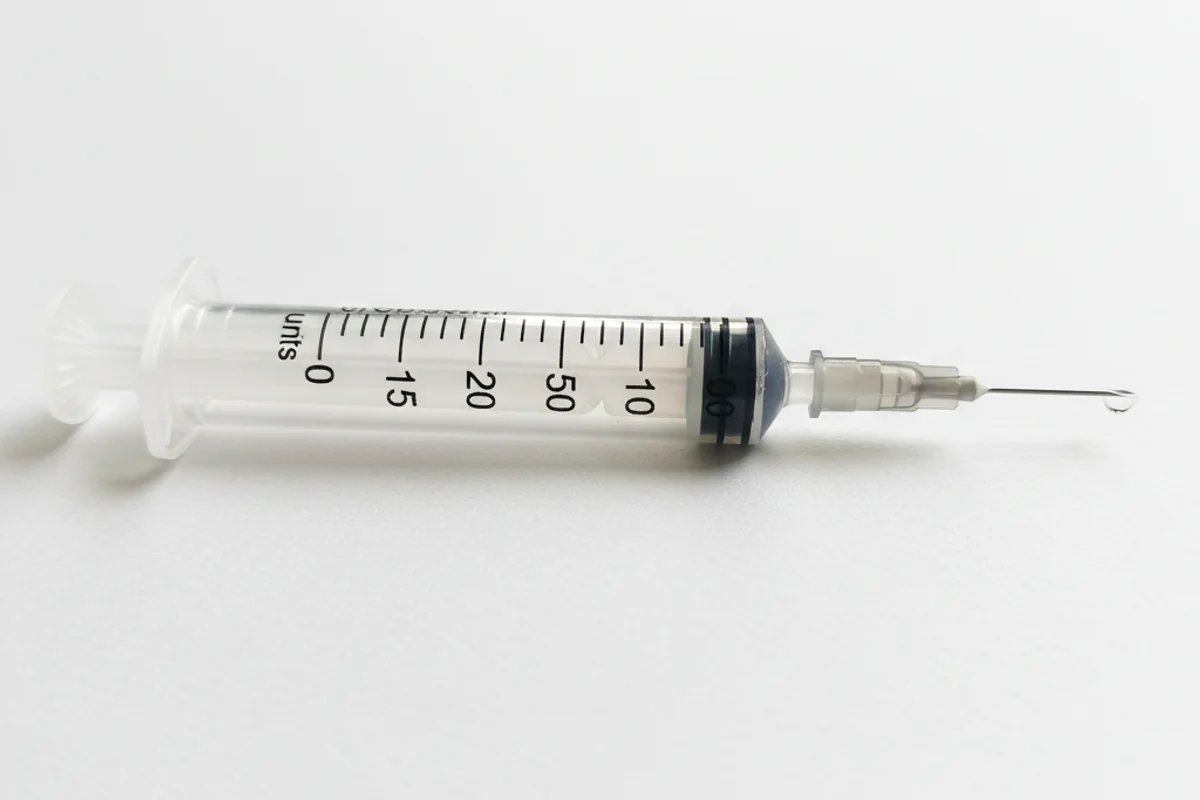
The amount of BAC water you add does not affect the total peptide content -- only the concentration. Adding more water makes each dose a larger volume (easier to measure precisely), while adding less water makes each dose a smaller volume (smaller injection). The Peptide Calculator Plus handles the math for any reconstitution volume, so you can choose the amount that works best for your syringe and dose range.
Calculate Your Dose with Peptide Calculator Plus
Use the free peptide calculator to find exact syringe units, reconstitution volumes, and doses per vial.
Open Bpc 157 Calculator