Peptide Reconstitution 101: A Beginner's Guide
What Is Peptide Reconstitution?
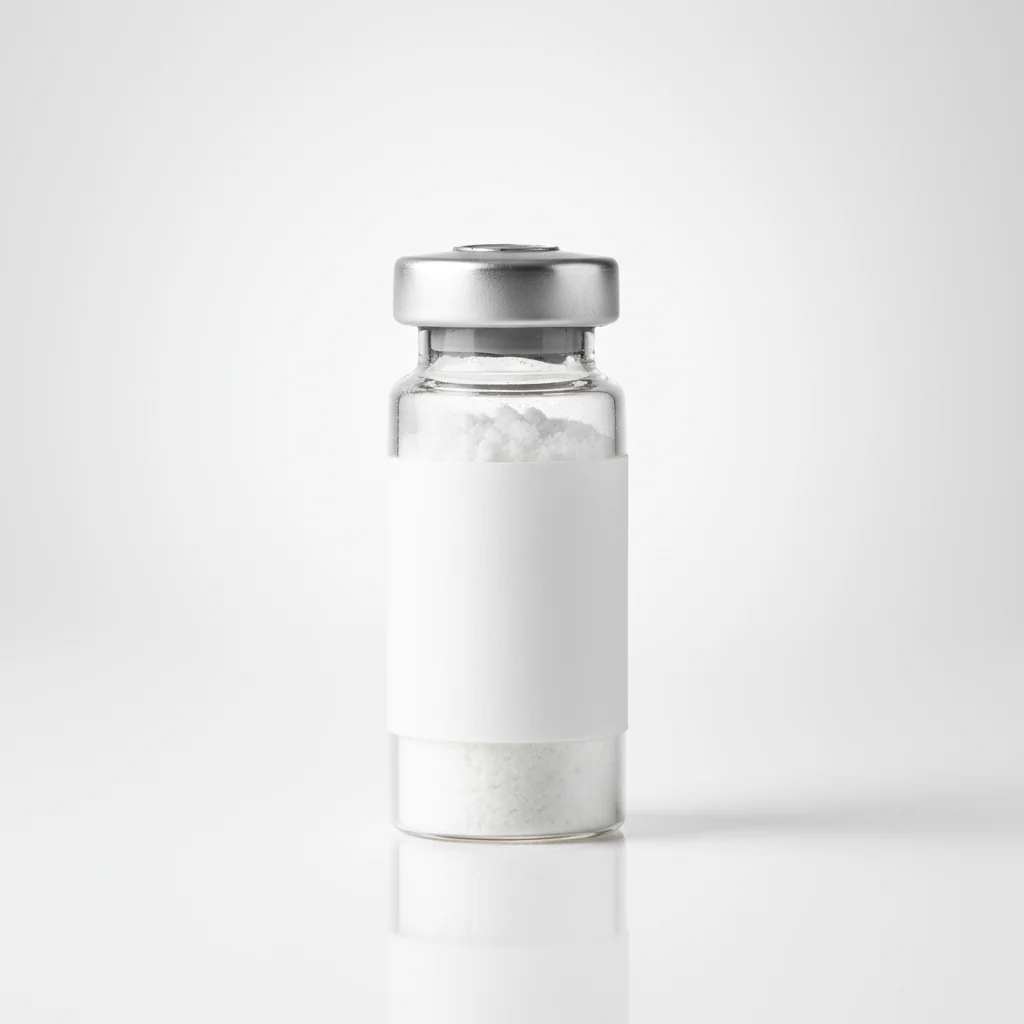
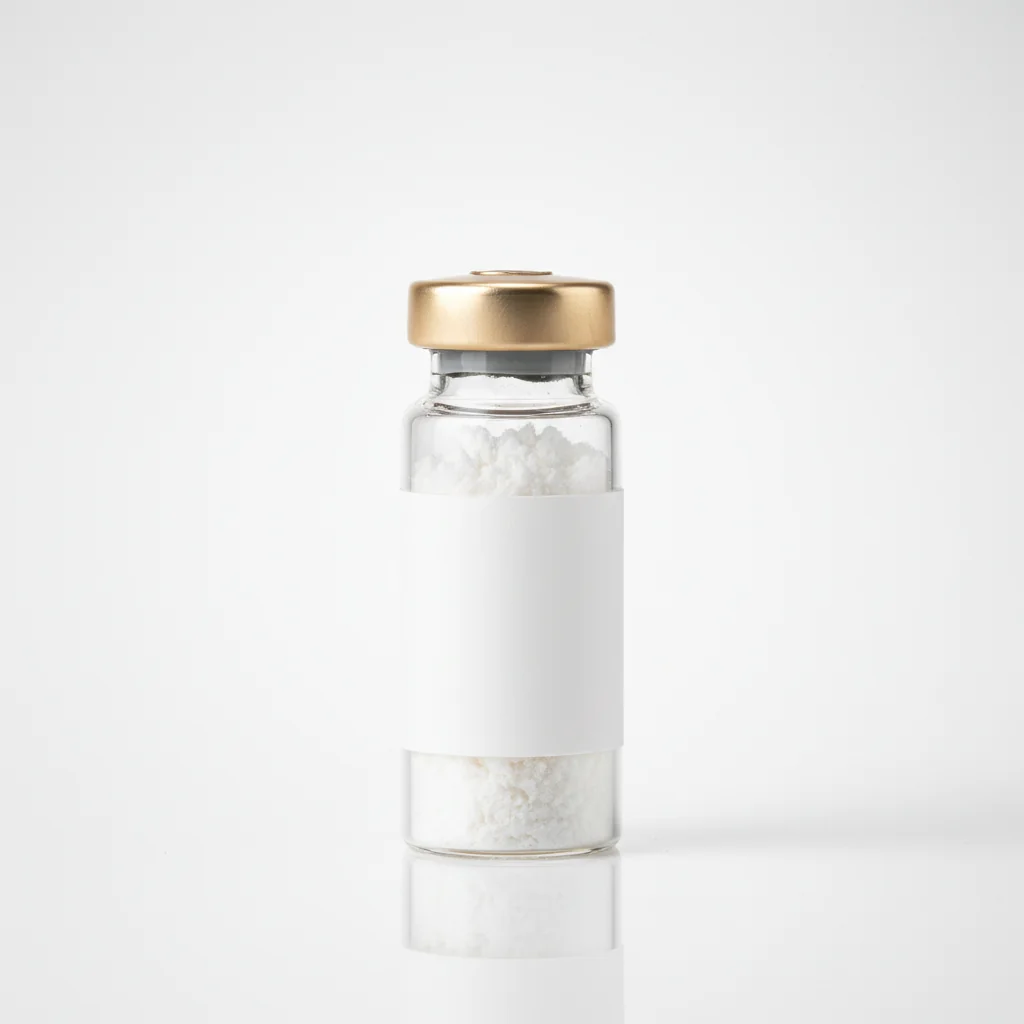
Peptide reconstitution is the process of dissolving freeze-dried (lyophilized) peptide powder in a liquid diluent, typically bacteriostatic water, to create an injectable solution. Peptides are sold as powder because they are far more stable in dry form -- most peptides degrade within days in liquid solution at room temperature but remain stable for months or years as a lyophilized powder.
Reconstitution is a simple process, but doing it correctly is essential for maintaining the peptide's potency and avoiding contamination.
What You Need
- Peptide vial -- Your lyophilized peptide in a sealed glass vial with a rubber stopper and aluminum crimp cap
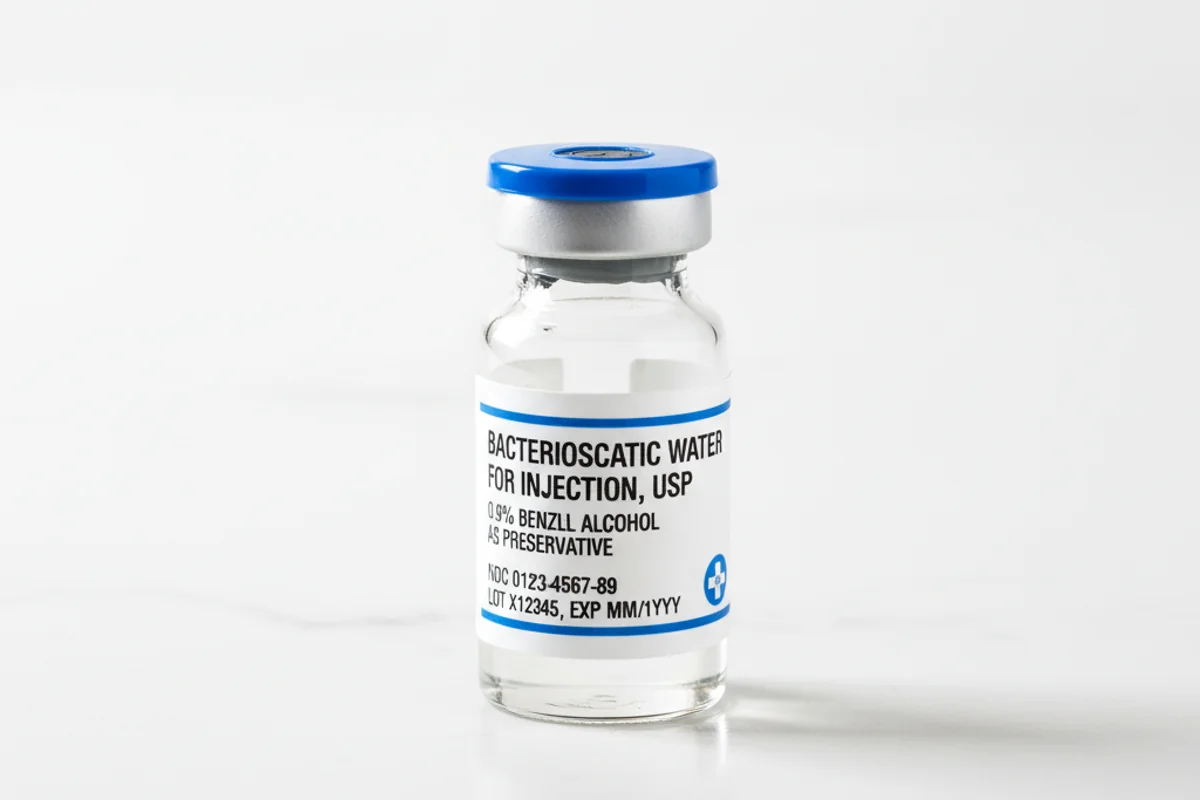
- Bacteriostatic water (BAC water) -- Sterile water with 0.9% benzyl alcohol preservative
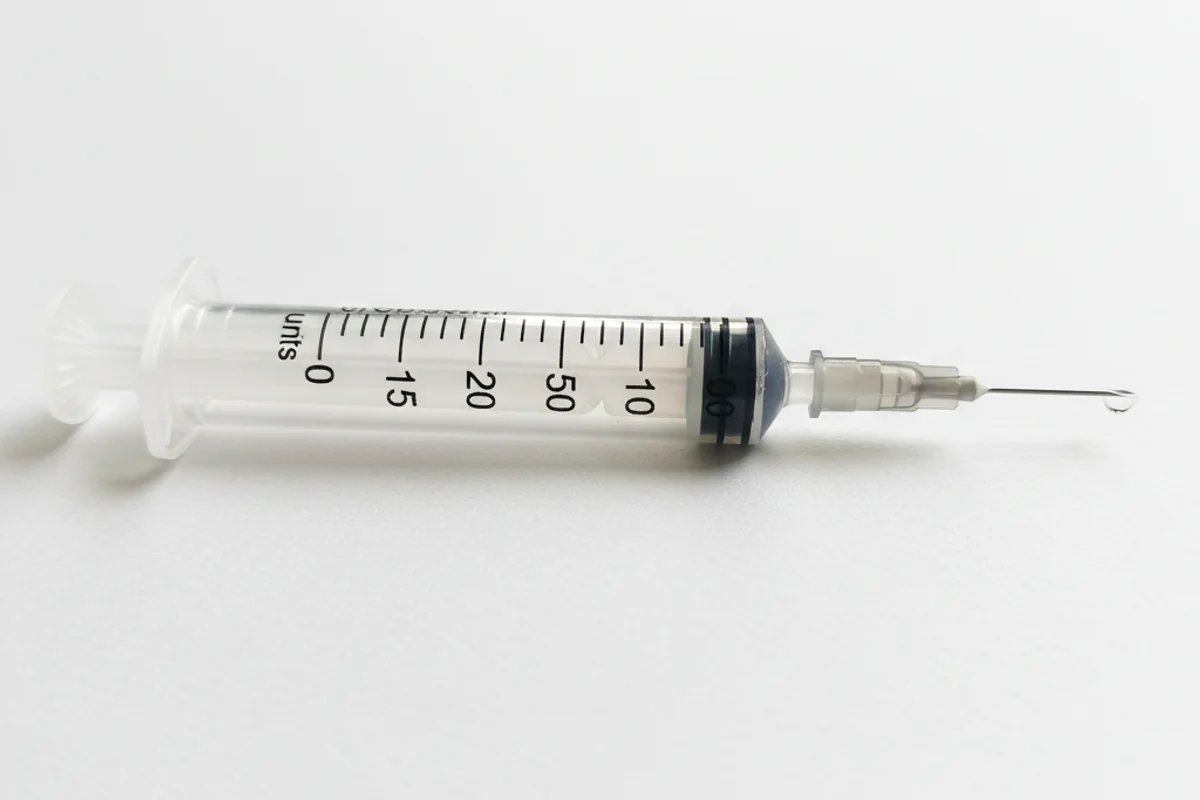
- Insulin syringes -- U-100, 29-31 gauge, typically 1 mL (100 unit) or 0.5 mL (50 unit)
- Alcohol swabs -- 70% isopropyl alcohol pads for sterilizing vial tops
- Clean workspace -- A flat, clean surface with good lighting
Step-by-Step Reconstitution Guide
Step 1: Prepare Your Workspace
Wash your hands thoroughly with soap and water. Lay out all supplies on a clean surface. If using gloves, put them on now. Remove the plastic flip-off cap from the peptide vial, exposing the rubber stopper underneath.
Step 2: Swab the Vial Tops
Use an alcohol swab to wipe the rubber stopper of both the peptide vial and the BAC water vial. Let the alcohol air-dry for 15-30 seconds. Do not blow on the stoppers to dry them.
Step 3: Draw Bacteriostatic Water
Decide how much water to add (1-3 mL is standard for most peptides -- see the table below). Draw this amount into a clean insulin syringe from the BAC water vial. To avoid creating a vacuum, some users inject an equal volume of air into the BAC water vial before drawing.
Step 4: Add Water to the Peptide Vial
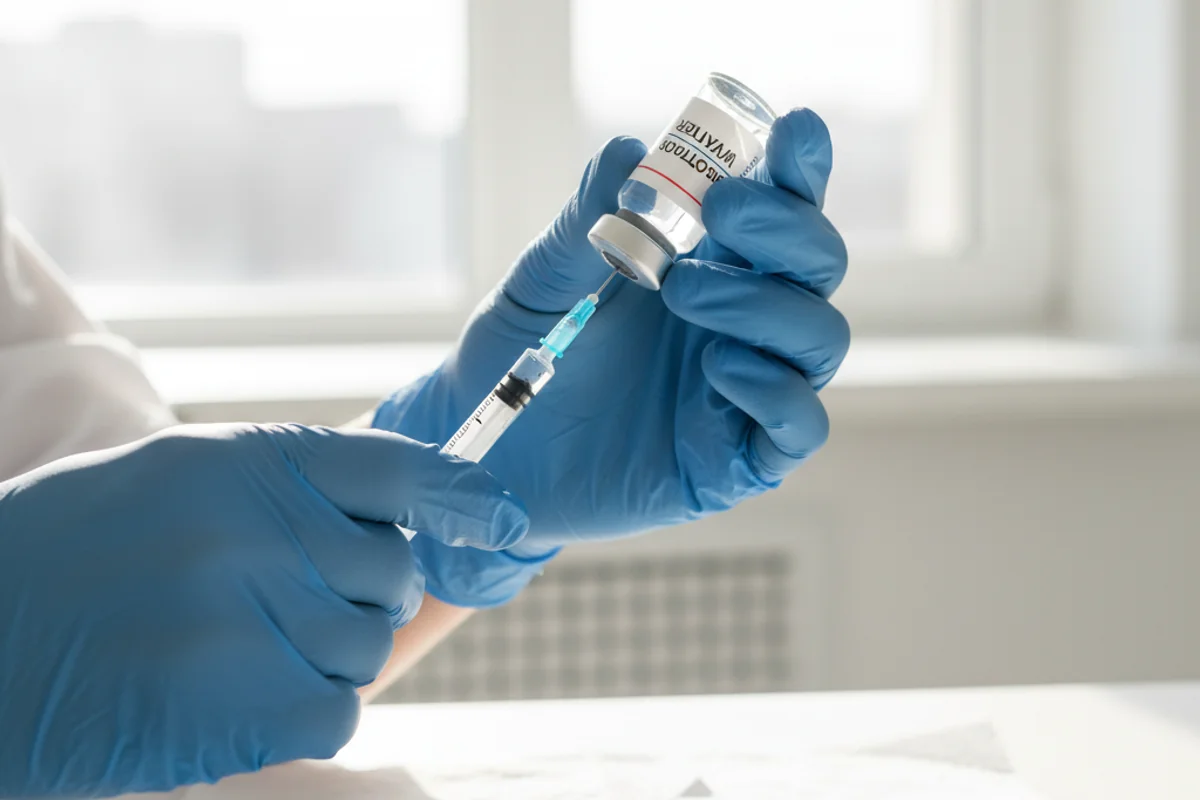
This is the most important step. Insert the syringe needle through the rubber stopper of the peptide vial at a slight angle. Aim the tip of the needle toward the inside wall of the vial. Slowly push the plunger, allowing the water to run gently down the glass wall. Never spray water directly onto the peptide powder, as the force can damage the molecular structure. Let the water slowly fill the vial.
Step 5: Dissolve the Peptide
Once all water is added, remove the syringe. Gently swirl the vial in a circular motion to help dissolve the powder. Never shake the vial, as aggressive agitation can denature (break down) the peptide chains. Most peptides dissolve within 30-90 seconds. The resulting solution should be clear and colorless. If it is cloudy or has visible particles, something may be wrong -- do not use it.
Step 6: Label and Store
Write the reconstitution date and concentration on the vial with a marker or small label. Store immediately in the refrigerator at 2-8 degrees Celsius. The solution is now ready for use.
How Much Water to Add: Quick Reference
| Vial Size | Water Added | Concentration | 250 mcg = Units |
|---|---|---|---|
| 5 mg | 1 mL | 5,000 mcg/mL | 5 units |
| 5 mg | 2 mL | 2,500 mcg/mL | 10 units |
| 10 mg | 1 mL | 10,000 mcg/mL | 2.5 units |
| 10 mg | 2 mL | 5,000 mcg/mL | 5 units |
The Peptide Calculator Plus handles these calculations for any combination of vial size and water volume.
Common Mistakes to Avoid
- Spraying water directly onto the powder -- Always aim down the vial wall to prevent peptide denaturation
- Shaking the vial -- Gentle swirling only; vigorous shaking damages peptide bonds
- Not sterilizing vial tops -- Always swab with alcohol before every needle insertion
- Storing at room temperature -- Reconstituted peptides must be refrigerated immediately
- Using sterile water instead of BAC water -- Sterile water lacks preservative; use within 24 hours if you must use it
- Reusing needles -- Each puncture dulls the needle and increases contamination risk
How Long Does Reconstituted Peptide Last?
When properly reconstituted with bacteriostatic water and stored in the refrigerator, most peptides remain stable for 14-30 days. Some particularly stable peptides (like BPC-157) may last up to 4-6 weeks. If the solution becomes cloudy, develops particles, or changes color, discard it regardless of how recently it was reconstituted.
Calculate Your Dose with Peptide Calculator Plus
Use the free peptide calculator to find exact syringe units, reconstitution volumes, and doses per vial.
Open Bpc 157 Calculator