Peptide Cycling: When to Take Breaks
Why Cycle Peptides?
Peptide cycling -- alternating periods of use and rest -- serves several important purposes in research protocols. The primary reason is preventing receptor desensitization. When a receptor is continuously stimulated by an agonist, the cell may downregulate the receptor (reduce the number on the cell surface) or desensitize the signaling pathway, leading to diminished response over time.
Not all peptides require cycling. The need depends on the specific receptor pharmacology, the peptide's mechanism of action, and the intended duration of use. This guide provides cycling recommendations for each major peptide category.
Cycling by Peptide Category
Growth Hormone Secretagogues (CJC-1295, Ipamorelin, GHRP-2/6)
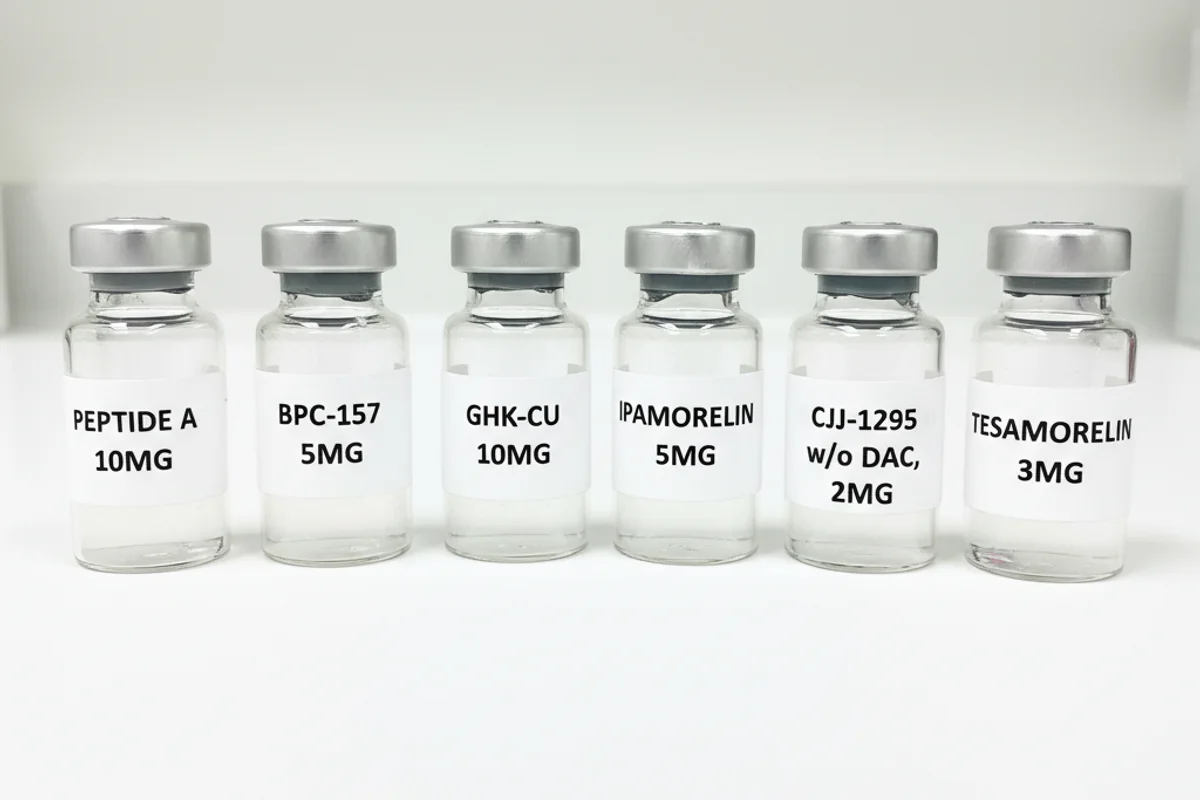
GH secretagogues benefit most from cycling. The ghrelin receptor (GHS-R1a) is known to downregulate with continuous agonist exposure, and the GHRH receptor may also show some desensitization. Recommended cycle: 8-12 weeks on, 4 weeks off. During the off period, GH pulsatility normalizes and receptor sensitivity is restored. Some users alternate between different secretagogue combinations during on-cycles to maintain novelty at the receptor level.
Healing Peptides (BPC-157, TB-500)
These peptides are typically used for a specific purpose (injury recovery) rather than as ongoing therapy. Standard approach: use for 4-8 weeks to address the specific injury, then discontinue. If symptoms recur, another cycle can be run. There is limited evidence of receptor desensitization with BPC-157 specifically, as it acts through multiple pathways rather than a single receptor. TB-500 loading phases of 4-6 weeks followed by lower-dose maintenance are common.
GLP-1 Agonists (Semaglutide, Tirzepatide)
GLP-1 agonists are designed for continuous use and do not appear to cause significant receptor desensitization at therapeutic doses. Clinical trials have used these medications continuously for 2+ years without loss of efficacy. However, stopping GLP-1 agonists typically results in weight regain, so the decision to cycle must weigh the benefits of a break against the expected return of weight.
Nootropic Peptides (Semax, Selank)
Russian clinical protocols recommend cycling nootropic peptides. Semax is typically used 10-20 days on, 10-20 days off. Selank follows a similar pattern of 14-21 days on, 14-21 days off. These breaks allow the neurochemical environment to normalize and help maintain sensitivity to the peptides' cognitive effects.
Melanocortin Peptides (Melanotan II, PT-141)
Melanotan II is naturally cycled through loading and maintenance phases. After achieving desired pigmentation (2-3 weeks of daily use), most users switch to once-weekly maintenance. PT-141 is used on-demand rather than continuously, with a recommended maximum of 8 doses per month per FDA guidelines. This inherent intermittent use pattern prevents desensitization.
Epithalon
Epithalon is one of the most distinctly cycled peptides, following the protocol established by Dr. Khavinson. Standard cycle: 10-20 consecutive days of daily injections, repeated every 4-6 months (2-3 cycles per year). This pattern appears sufficient to maintain telomerase activation and melatonin production benefits.
Designing Your Cycling Schedule
When running multiple peptides, you need to coordinate their cycling schedules. Consider these approaches:
- Staggered starts -- Start peptides at different times so you are not beginning and ending everything simultaneously. This helps identify which peptide causes which effects.
- Aligned breaks -- Some users prefer to take all peptides off at the same time for a "clean break" period.
- Bridge strategy -- When cycling off GH secretagogues, continue healing peptides if still recovering from an injury.
Signs You Need a Break
- Diminished response -- The peptide seems less effective than when you started
- Increased side effects -- Side effects that were manageable become more pronounced
- Fatigue or burnout -- General feeling of needing a reset
- Protocol duration exceeded -- You have been on longer than the recommended cycle length
Using the Peptide Calculator During Cycles
The Peptide Calculator Plus can help you plan cycles by calculating doses per vial. If your cycle is 8 weeks at daily dosing and each vial provides 20 doses, you know you need roughly 3 vials for the cycle (56 doses / 20 per vial = 2.8 vials). This helps with purchasing and preparation planning.
Calculate Your Dose with Peptide Calculator Plus
Use the free peptide calculator to find exact syringe units, reconstitution volumes, and doses per vial.
Open Bpc 157 Calculator