Common Peptide Side Effects and How to Manage Them

Understanding Peptide Side Effects
Peptides are generally well-tolerated compared to many pharmaceutical drugs, but they are not without side effects. Understanding what to expect, what is normal, and what warrants medical attention helps you use peptides more safely and confidently. Side effects vary significantly between peptide types due to their different mechanisms of action.
Universal Side Effects (All Peptides)
Injection Site Reactions
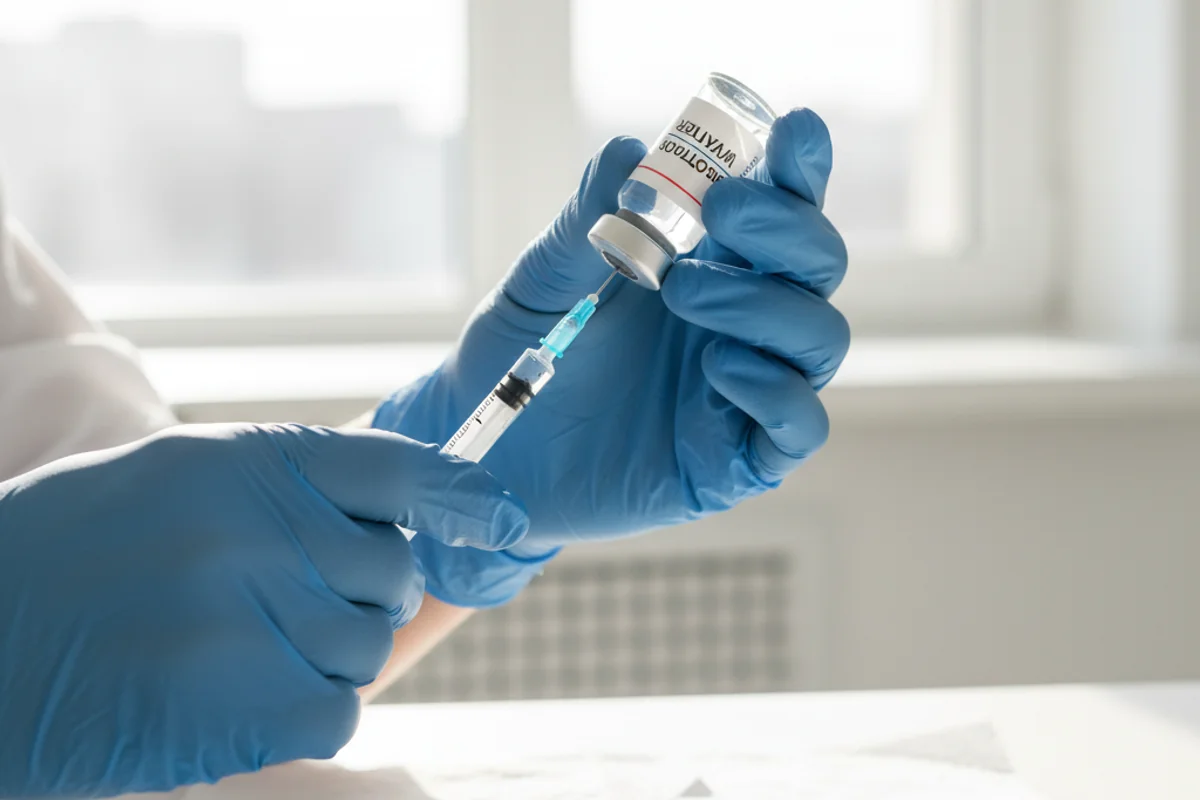
The most common side effect across all injectable peptides. Symptoms include redness, swelling, itching, or mild pain at the injection site. These reactions are typically caused by the injection itself rather than the peptide and usually resolve within 1-2 hours.
Management strategies:
- Rotate injection sites regularly
- Allow alcohol to dry completely before injecting
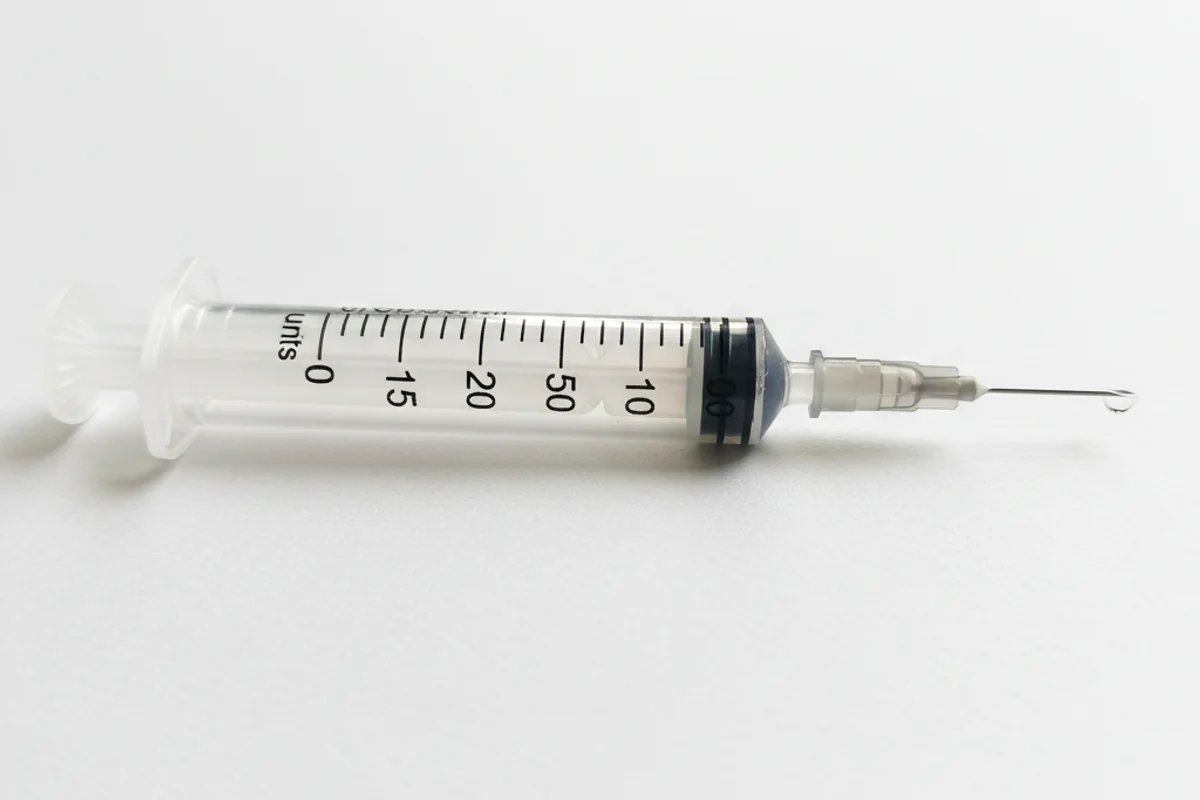
- Inject slowly (10-15 seconds per injection)
- Apply a cold compress after injection if needed
- Ensure the peptide solution is at refrigerator temperature (not frozen)
Headaches
Mild headaches are reported with many peptide types, particularly during the first week of use. They are often related to changes in blood flow, hormone levels, or the body adjusting to the peptide's effects. Staying well-hydrated usually helps. If headaches persist beyond the first week or are severe, consider reducing the dose.
GLP-1 Agonist Side Effects (Semaglutide, Tirzepatide, Retatrutide)
GLP-1 agonists have the most significant side effect profile among common peptides, primarily affecting the gastrointestinal system:
- Nausea -- The most common side effect, affecting 20-44% of users. Typically worst during dose titration and improves over 4-8 weeks. Management: start at lowest dose, increase gradually, eat smaller meals, avoid fatty foods, consider injecting before bed.
- Constipation or diarrhea -- Slowed gastric emptying can cause either, depending on the individual.
- Decreased appetite -- This is partly the intended effect but can be excessive in some individuals, leading to insufficient caloric intake.
- Gallbladder issues -- Rapid weight loss increases gallstone risk. Any upper right abdominal pain should be evaluated.
Growth Hormone Peptide Side Effects (CJC-1295, Ipamorelin, Tesamorelin)
- Water retention -- Mild fluid retention is common with GH elevation, causing slightly puffy hands, face, or ankles. Usually stabilizes within 2 weeks. Reduce sodium intake if bothersome.
- Tingling or numbness -- Paresthesia in hands and feet (carpal tunnel-like symptoms) from GH-mediated tissue swelling. Usually dose-dependent and resolves with dose reduction.
- Joint stiffness -- Mild joint aches, especially in the morning. Typically temporary.
- Flushing and warmth -- Common immediately after injection of GH secretagogues, resolves within minutes.
Healing Peptide Side Effects (BPC-157, TB-500)
These peptides have among the most favorable safety profiles:
- BPC-157 -- Rarely produces significant side effects. Occasional mild nausea, dizziness, or fatigue have been reported. Injection site reactions are the most common complaint.
- TB-500 -- Temporary fatigue or lethargy during the first few days is the most commonly reported effect. Some users report mild flu-like symptoms initially.
Melanocortin Peptide Side Effects (Melanotan II, PT-141)
- Nausea -- Common with Melanotan II, especially at higher doses. Starting low (100 mcg) and gradually increasing helps.
- Facial flushing -- Temporary redness lasting 30-60 minutes.
- Mole darkening -- Existing moles may darken with MT-II. Monitor for irregular changes.
- Blood pressure increase -- PT-141 can cause transient BP elevation (average 6/3 mmHg).
When to Seek Medical Attention
While most peptide side effects are mild and manageable, certain symptoms require prompt medical evaluation:
- Signs of allergic reaction: hives, difficulty breathing, swelling of face/throat
- Signs of infection at injection site: increasing redness, warmth, pus, red streaking
- Severe or persistent abdominal pain (possible gallbladder or pancreatic issue)
- Chest pain or significant heart rate changes
- Severe headaches not responsive to OTC pain relief
- Signs of hypoglycemia: shakiness, confusion, excessive sweating (especially with IGF-1)
General Side Effect Management Tips
- Always start at the lowest recommended dose and increase gradually
- Keep a log of doses and any side effects to identify patterns
- Stay well-hydrated (dehydration worsens many side effects)
- If a side effect is bothersome, reduce the dose before discontinuing entirely
- Use the Peptide Calculator Plus to ensure accurate dosing -- many side effects are dose-dependent
Calculate Your Dose with Peptide Calculator Plus
Use the free peptide calculator to find exact syringe units, reconstitution volumes, and doses per vial.
Open Bpc 157 Calculator