Peptide Stacking: Combining Peptides Safely
What Is Peptide Stacking?
Peptide stacking refers to the practice of using two or more peptides simultaneously in a protocol to achieve complementary or synergistic effects. Just as different medications target different aspects of a condition, different peptides can target different biological pathways to produce results greater than any single peptide alone.
Stacking requires careful consideration of compatibility, timing, dosing, and potential interactions. This guide covers the most established stacks and practical guidance for combining peptides safely.
Popular Peptide Stacks
Healing Stack: BPC-157 + TB-500
This is arguably the most popular peptide stack, combining two recovery-focused peptides with complementary mechanisms. BPC-157 promotes angiogenesis and collagen organization, while TB-500 promotes cell migration and reduces inflammation. The result is faster, more complete tissue repair.
- BPC-157: 250-500 mcg daily (subQ near injury site)
- TB-500: 2-5 mg twice weekly (subQ)
- Duration: 4-8 weeks
- Can be drawn into the same syringe
Growth Hormone Stack: CJC-1295 + Ipamorelin
The classic GH secretagogue stack targeting two different pituitary receptors for synergistic GH release. CJC-1295 (no DAC) amplifies the GH pulse through GHRH receptors, while Ipamorelin initiates GH release through ghrelin receptors.
- CJC-1295 (no DAC): 100 mcg per injection
- Ipamorelin: 100-200 mcg per injection
- Timing: 1-3x daily on empty stomach
- Can be drawn into the same syringe
Weight Loss Support: Semaglutide + BPC-157
Some protocols combine a GLP-1 agonist for appetite control with BPC-157 for gut health support, since GI side effects are the primary complaint with semaglutide. BPC-157's gastric protective effects may help mitigate nausea and other GI symptoms.
- Semaglutide: Per titration schedule (weekly)
- BPC-157: 250-500 mcg daily (subQ or oral)
- Do not mix in same syringe (different administration schedules)
Anti-Aging Stack: Epithalon + GHK-Cu
Combines telomerase activation (Epithalon) with skin rejuvenation and tissue repair (GHK-Cu) for a comprehensive anti-aging approach.
- Epithalon: 5-10 mg daily for 10-20 day cycles
- GHK-Cu: 1-2 mg daily (subQ) or topical
- Can be run concurrently
Rules for Safe Stacking
- Start one at a time -- When beginning a new stack, start with one peptide first and add the second after 1-2 weeks. This allows you to identify the source of any side effects.
- Never mix in storage vials -- Always store each peptide in its own vial. Only combine in the syringe immediately before injection.
- Respect timing requirements -- GH secretagogues require fasting. Semaglutide is once weekly. Plan around the most restrictive timing.
- Use the Peptide Calculator for each component -- Calculate the dose and syringe units for each peptide separately, then draw them sequentially into the syringe.
- Monitor for interactions -- While most peptide combinations have not shown harmful interactions, monitor your response and adjust if needed.
- Do not stack more than 3-4 peptides -- Adding more peptides increases complexity and the risk of unexpected interactions without proportional benefit.
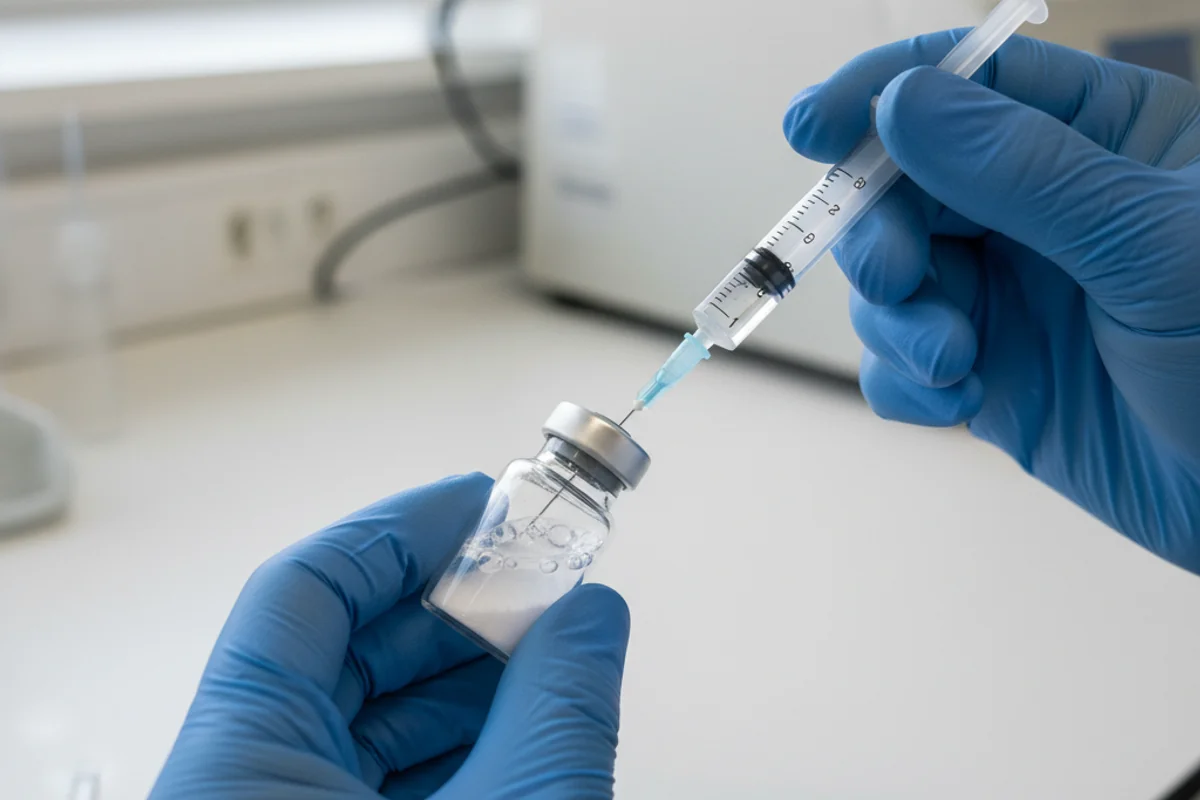
Mixing in the Same Syringe: Technique
When combining compatible peptides in one injection:
- Calculate the volume for each peptide using the Peptide Calculator Plus
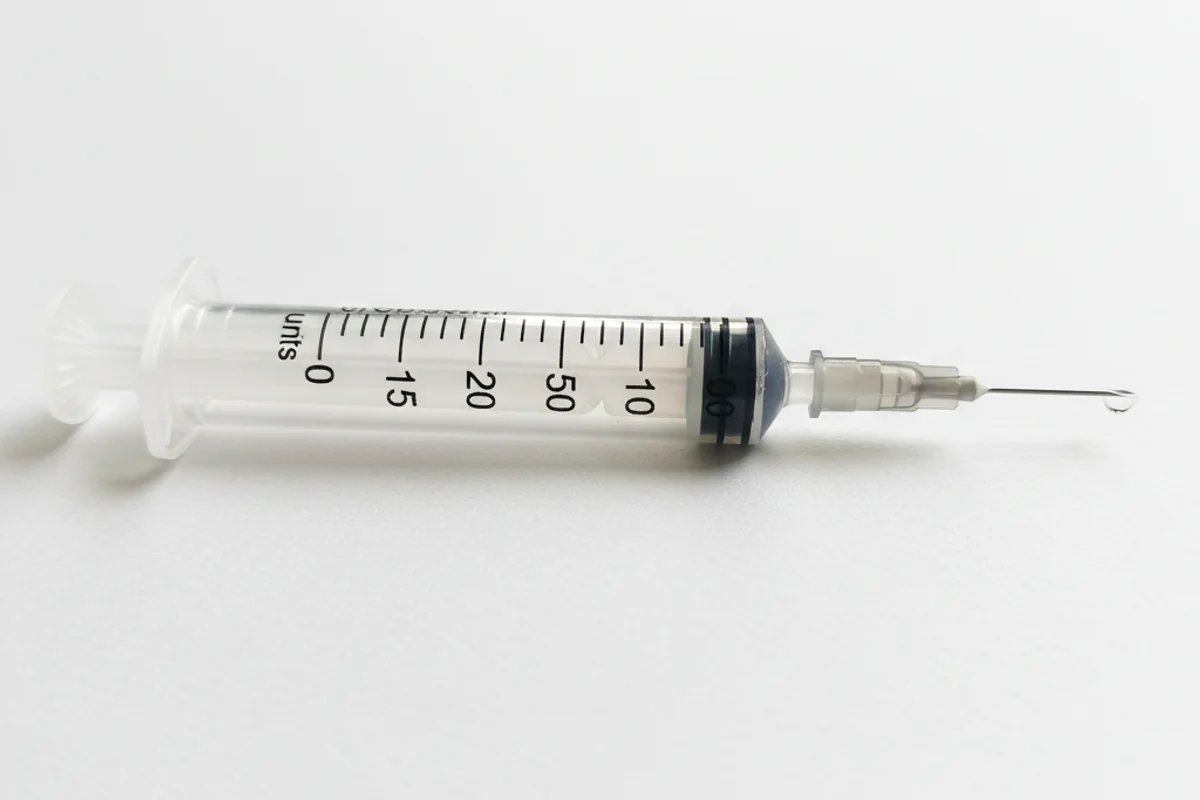
- Draw the first peptide into the syringe (the one requiring the smallest volume)
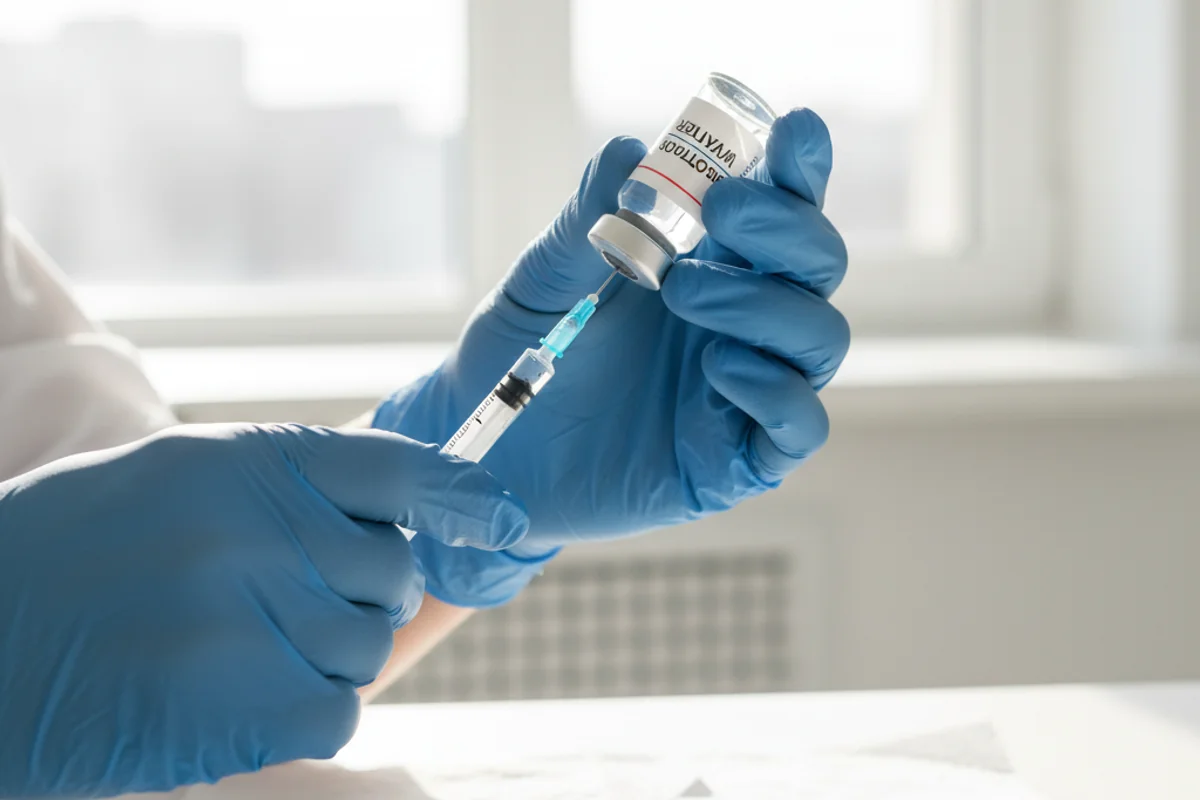
- Without changing the needle, insert into the second vial and draw the second peptide
- Verify the total volume matches the sum of both individual calculations
- Inject as usual
Note: The total injection volume should not exceed 1 mL for subcutaneous injection or 2 mL for intramuscular.
Stacks to Avoid
- Multiple GLP-1 agonists -- Do not combine semaglutide + tirzepatide or similar. They target overlapping receptors and compound GI side effects.
- Multiple GH secretagogues of the same type -- Combining two GHRH analogs or two ghrelin mimetics provides diminishing returns and increases side effects.
- Peptides + medications without medical guidance -- Some peptides may interact with prescription medications. Consult a healthcare provider when combining peptides with existing medications.
Calculate Your Dose with Peptide Calculator Plus
Use the free peptide calculator to find exact syringe units, reconstitution volumes, and doses per vial.
Open Bpc 157 Calculator