How to Store Peptides: Temperature and Shelf Life
Why Peptide Storage Matters
Peptides are chains of amino acids held together by peptide bonds. These bonds and the three-dimensional structure of the molecule are sensitive to heat, moisture, light, and pH changes. Improper storage accelerates degradation, reducing potency and potentially creating harmful breakdown products. Understanding proper storage ensures you get the full benefit from your peptides.
Storage Before Reconstitution (Lyophilized Powder)
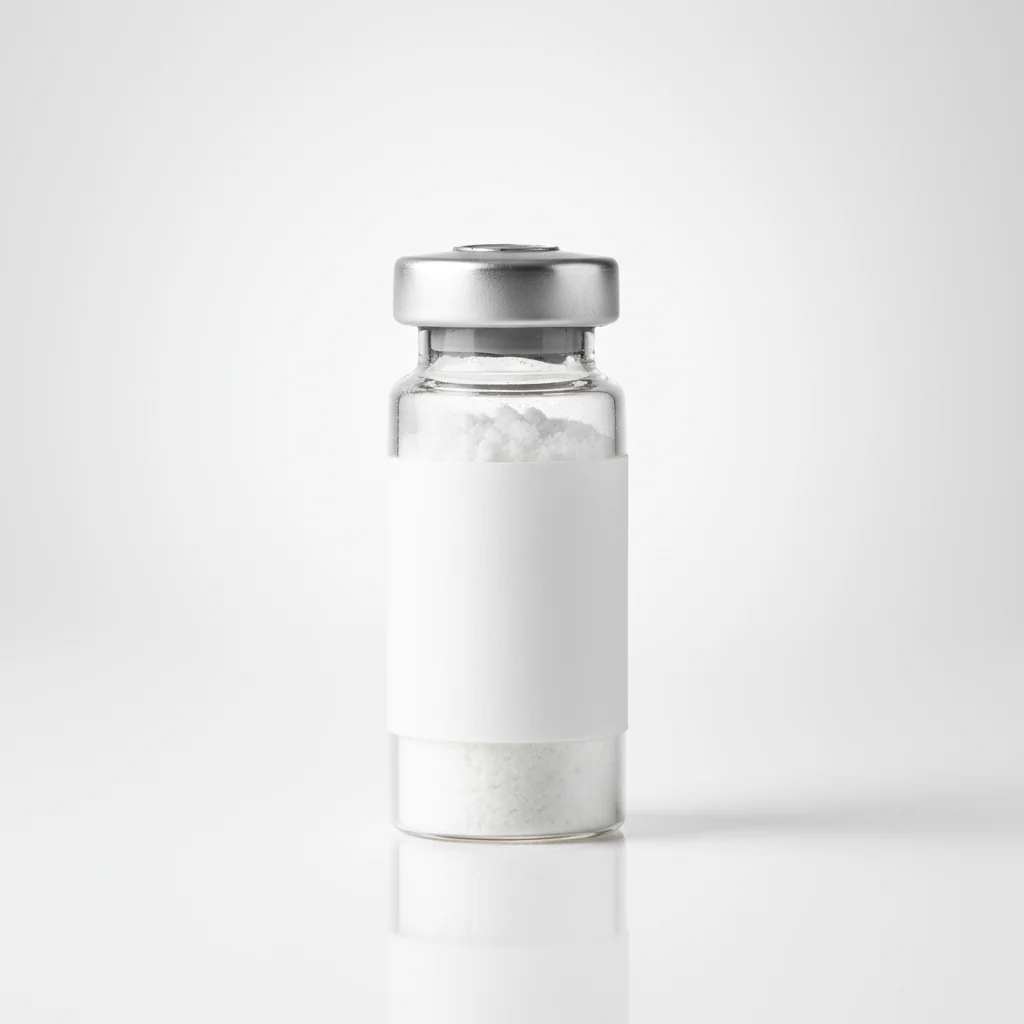
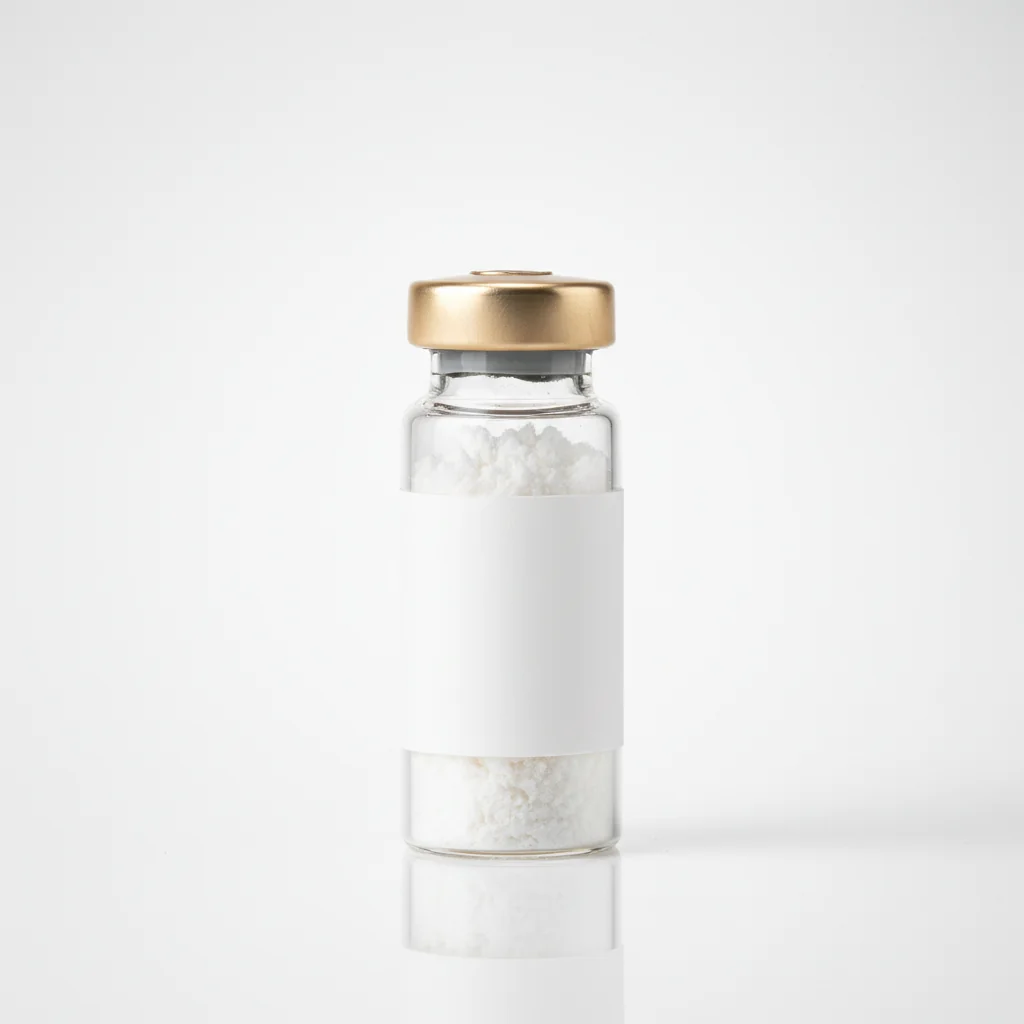
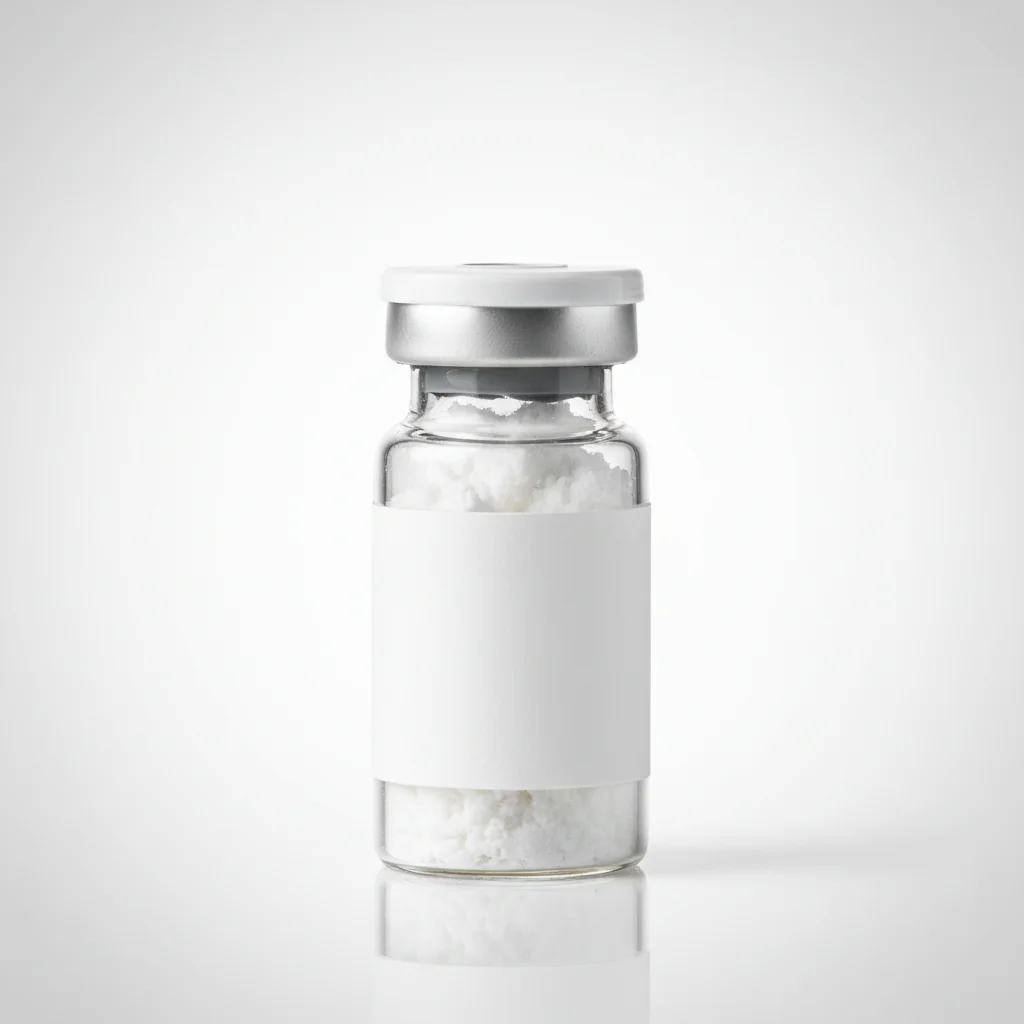
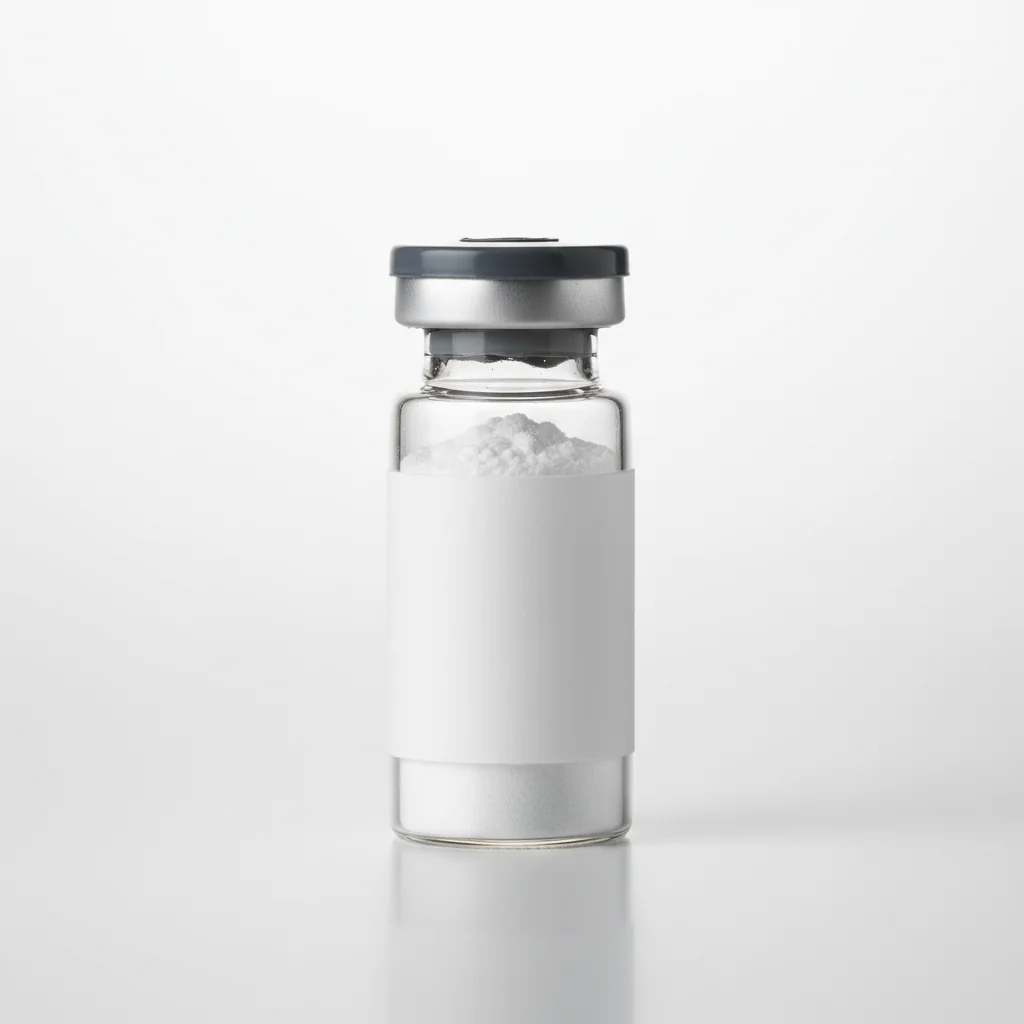
Lyophilized peptides are remarkably stable compared to their reconstituted form. The freeze-drying process removes virtually all water, which is necessary for most degradation reactions. Storage guidelines for powder form are as follows.
Temperature Tiers
| Storage | Temperature | Typical Stability | Best For |
|---|---|---|---|
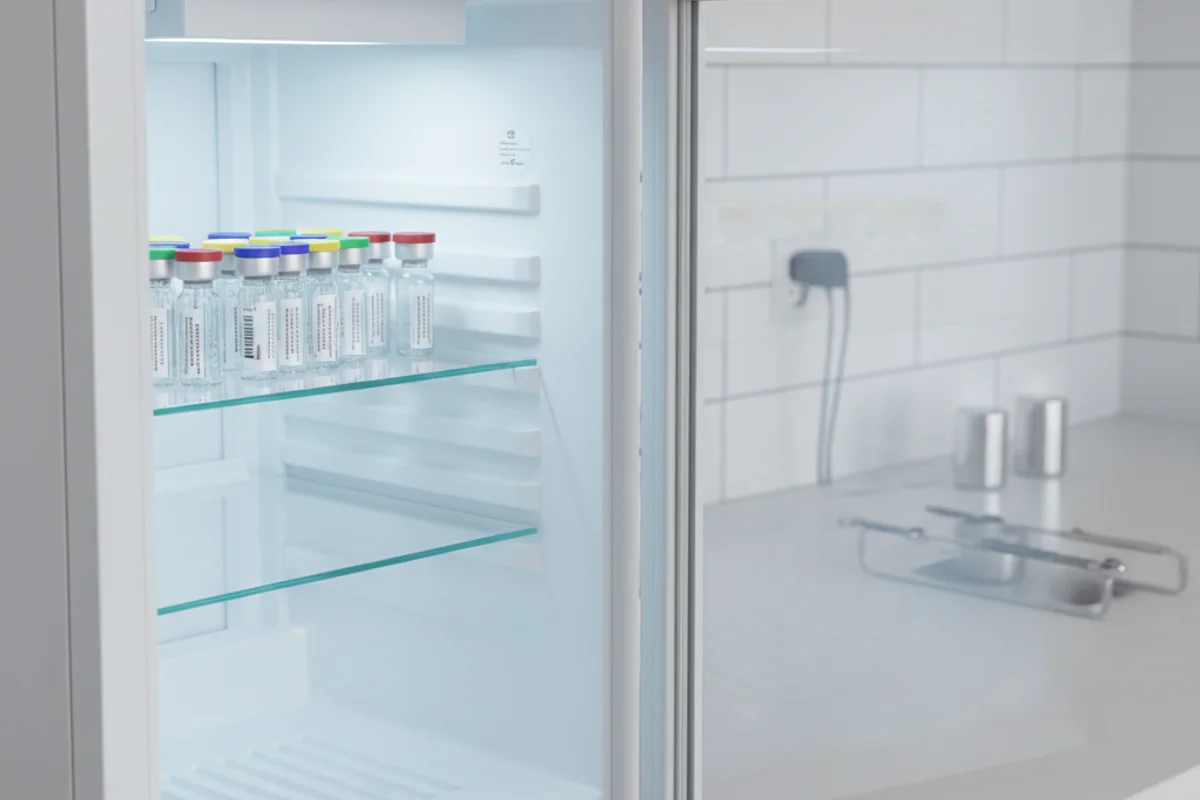
| Freezer | -20C (-4F) | 2+ years | Long-term storage, bulk purchases |
| Refrigerator | 2-8C (36-46F) | 6-12 months | Active use, ready access |
| Room temp | 15-25C (59-77F) | 1-3 months | Shipping transit only |
Additional Factors
- Light -- Keep peptides in opaque containers or wrapped in foil. UV light accelerates degradation, particularly for peptides containing tryptophan, tyrosine, or methionine.
- Moisture -- The lyophilized form must remain dry. Even atmospheric humidity can initiate degradation. Keep the sealed vial in a zip-lock bag with a desiccant packet.
- Vacuum seal -- Many suppliers ship peptides under vacuum or nitrogen gas. Do not open the vial until ready to reconstitute.
Storage After Reconstitution
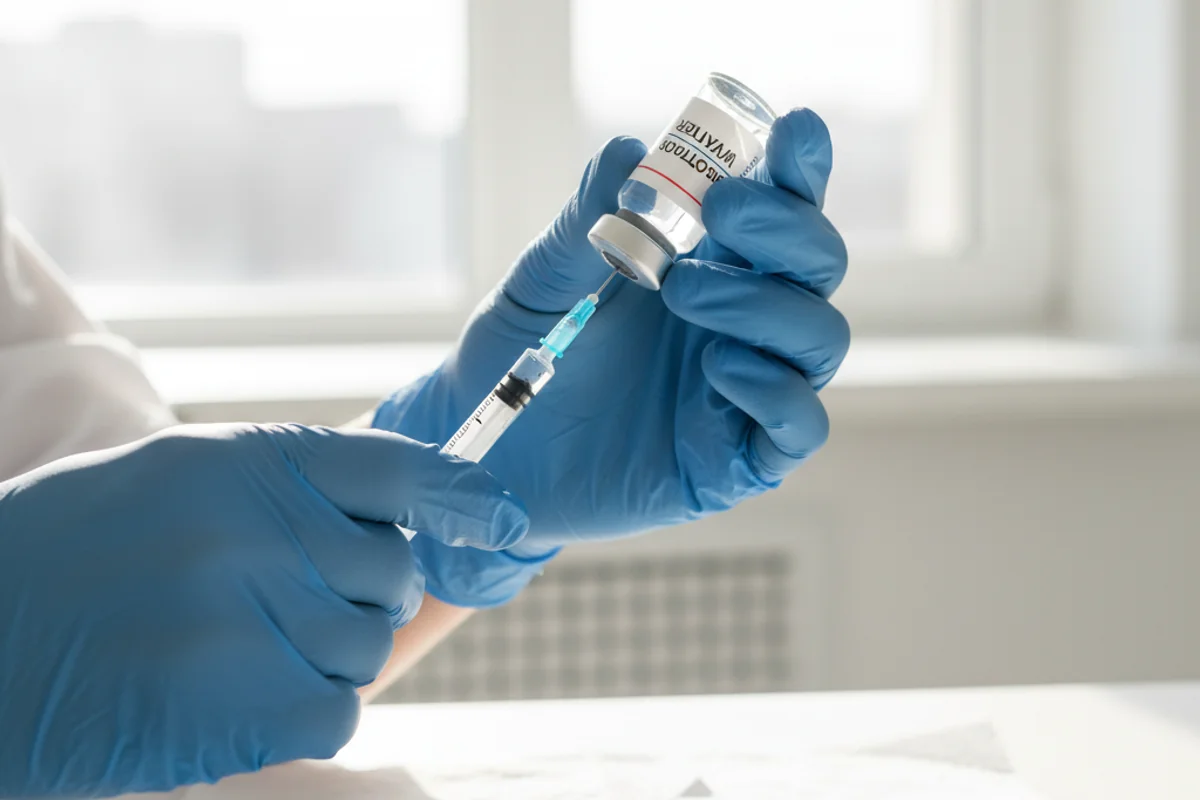
Once reconstituted, peptides are significantly less stable. The water medium enables hydrolysis (peptide bond cleavage), oxidation, deamidation, and other degradation pathways.
Rules for Reconstituted Peptides
- Always refrigerate at 2-8C immediately after reconstitution
- Never freeze reconstituted solutions (ice crystals damage molecular structure)
- Use within 14-30 days when reconstituted with bacteriostatic water
- Use within 24 hours when reconstituted with sterile water (no preservative)
- Protect from light -- wrap vial in foil or store in an opaque container
- Minimize temperature fluctuations -- store at the back of the refrigerator, not in the door
Signs of Peptide Degradation
Inspect your reconstituted peptide before each use. Warning signs include:
- Cloudiness or turbidity -- Clear solutions that become cloudy indicate protein aggregation
- Visible particles or fibers -- Precipitated or denatured peptide
- Color change -- Yellowing, browning, or any color shift suggests oxidative degradation
- Unusual odor -- Bacterial contamination (especially with sterile water reconstitution)
- Reduced effectiveness -- If the peptide seems to stop working, degradation may be the cause
If you observe any of these signs, discard the vial and reconstitute a fresh one.
Peptide-Specific Storage Notes
- BPC-157 -- Relatively stable; reconstituted solutions may last 4-6 weeks refrigerated
- GHK-Cu -- Copper peptide complex is light-sensitive; wrap in foil
- Semaglutide/Tirzepatide -- Pharmaceutical formulations are designed for 4-6 week stability at refrigerator temperature
- IGF-1 LR3 -- More fragile than most; use within 2-3 weeks of reconstitution
- Melanotan II -- Relatively stable; standard 4-week refrigerated shelf life
Travel with Peptides
When traveling with reconstituted peptides, use an insulated travel case with ice packs to maintain 2-8C. Small insulin cooler bags designed for this purpose are available and discrete. For air travel, keep peptides in carry-on luggage (cargo hold temperatures can reach freezing). Unreconstituted (lyophilized) peptides are more travel-friendly as they can tolerate room temperature for days without significant degradation.
Using the Peptide Calculator for Planning
The Peptide Calculator Plus shows doses per vial, which helps you plan reconstitution timing. If a vial provides 20 doses and you inject daily, reconstitute a fresh vial every 20 days. If your protocol calls for every-other-day dosing, one vial lasts 40 days -- but the reconstituted solution should still be used within 30 days. Plan your purchases and reconstitution schedule to minimize waste from expired solutions.
Calculate Your Dose with Peptide Calculator Plus
Use the free peptide calculator to find exact syringe units, reconstitution volumes, and doses per vial.
Open Bpc 157 Calculator